Join us Oct. 26-28 in Newport Beach for the Digiday Media Buying Summit
‘AI isn’t just technology, it’s good judgment’: Cathy Bessant on why banks need humans
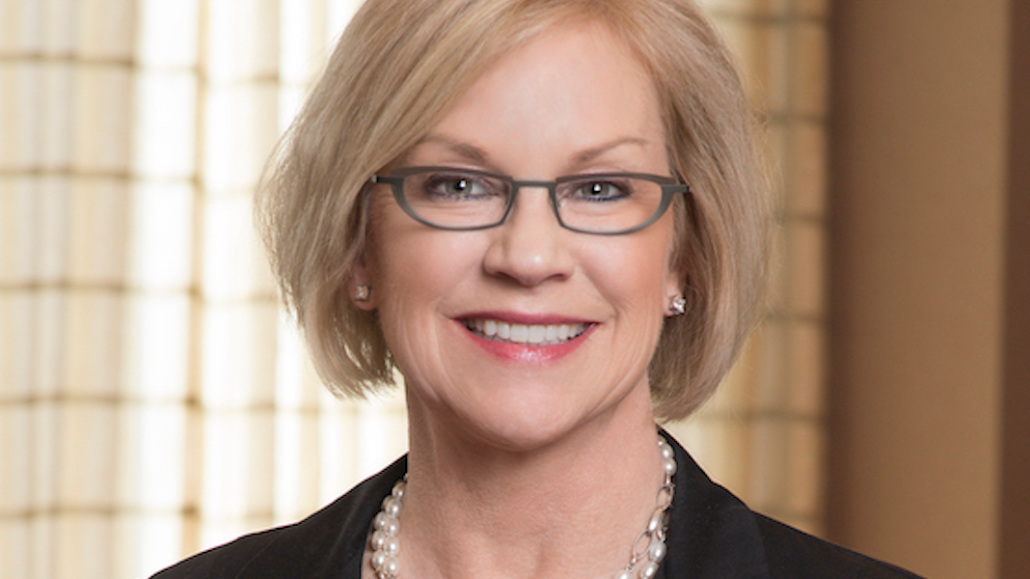
Despite prevailing wisdom, Cathy Bessant doesn’t want Bank of America to fail fast or often. That may be the mantra of tech companies in California, and banks largely see themselves as tech companies, but that’s actually where they differ.
“We have a huge responsibility, we happen to love that and think it’s our job to steward it well,” said the bank’s chief operations and technology officer. “The safety and preservation of our customer trust means that lots of failures can not be in the cultural way we think.”
Bessant is transforming B of A into a technology firm and leading it into a future that requires humans to apply immense computing power to immense amounts of data — an artificial intelligence future. But like any every other technology executive, she’s facing a shortage of talent with science, technology, engineering and math backgrounds. The result is often departments hiring from other departments.
Bank of America will spend $600 million this year on cyber defense alone. It employs 1,200 people whose jobs are dedicated to nothing else but information security, although the company makes that “the job of every single employee,” Bessant said. But the caliber of the talent the bank hires is just as important as the technology it invests in, since they’ll be the ones that determine how to work responsibly with AI.
“Sometime’s theres a misunderstanding that cyber defense is somehow all technology, and it’s not,” she said. “It’s judgment and how to assess a threat and think about mitigation every single day.”


More in Marketing

‘Mission and capital can coexist’: Golden State Valkyries’ Jess Smith on pitch to sponsors
The WNBA’s newest team must navigate measurement demands and marketers wanting to share in the ‘mission’ if it’s to establish a commercial foothold.

Future of Marketing Briefing: Why top creators are taking fewer brand deals
The biggest creators are cutting their brand rosters and asking more of the partners they keep.

‘There’s nothing wrong with being a heritage brand’: How Revlon is updating its image by looking to the past
Revlon named musician and actress Teyana Taylor and country music star Megan Moroney as the faces of its “Revlon Be Unforgettable” campaign.