Join us Sept. 14-16 in Miami to connect with top publishing leaders
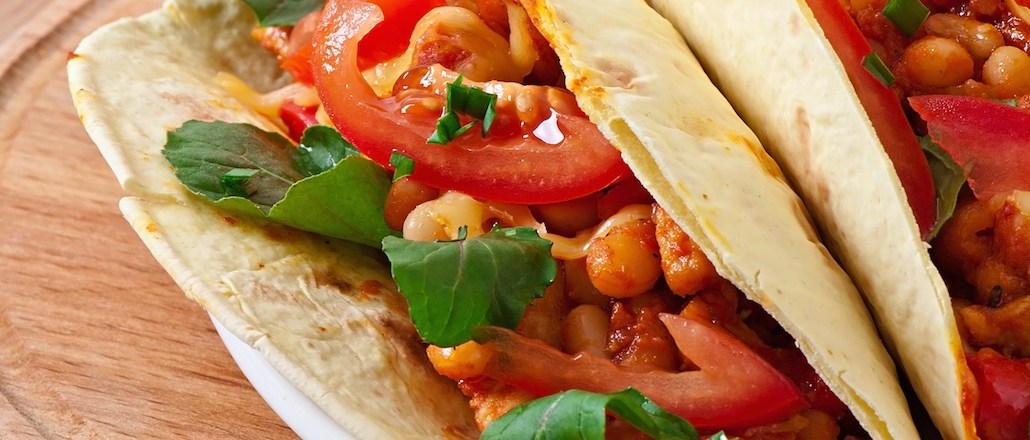
Snapchat is a millennial playground. So Taco Bell has handed the keys to its Snapchat kingdom to its very own millennials.

Taco Bell has created a dedicated in-house team of two twenty-somethings who craft content specifically for the “Stories” section of the platform three times a week. In a bid to keep its audience engaged, they talk to Taco Bell’s millennial fans in the language they understand, offering them a mix of real-time and more thought-out content — and they speak fluent emoji.
“Being in-house, they just understand the brand better. They know the brand inside out yet are passionate and relatable because they themselves are millennials,” Jozlynn Rush, senior social media specialist at Taco Bell, who oversees its Snapchat strategy. “Plus, they can react in real time and do things on the fly. It’s hard to do that with an agency.”
Although the fast-food giant was an early adopter — and has been playing a “cool friend” to millennials on Snapchat since May 2013 — it is betting on it more than ever. It has discovered that Snapchat sees the most engagement from among its suite of accounts, and so it is now seeking to “create even deeper connections” — including through one-on-one messaging.
“It’s a real-time platform for us, where we’re able to do a lot of storytelling,” Rush said. “On Instagram or Twitter, you only have so much space to say something. You have 140 characters or one photo, but on Snapchat, we’re able to collaborate with our fans and tell a deeper story. They connect with our fans on a one-on-one level, which other platforms don’t allow.”
When Taco Bell started, its Snapchat approach was more careful and calculated, like when it announced the return of the “Beefy Crunch Burrito” through a single photo, for example. Now, it dabbles in everything from short-form video stories from the MTV Movie Awards red carpet, to fun quizzes like “What Taco Bell Menu Item Are You?” and other real-time games.
For Valentine’s Day this year, Taco Bell spread some love by providing its Snapchat users with Valentine’s Day eCards they could screenshot, personalize and send to their own Valentines. The story included a tutorial on how to send the cards to their friends and saw great engagement. This summer, it even recruited through the platform, encouraging aspiring social media interns to send in Snapchat videos of why they should be hired.

“We knew that if we wanted to find someone not only talented, but also a ‘superfan,’ we had to rely on our social channels,” Rush said. “A lot of the people we ended up shortlisting impressed us on Snapchat, because they understood our voice and the kind of content we’re creating.”
While Taco Bell has continuously tried to bolster its organic reach on Snapchat, it has thus far been conspicuously absent from the list of brands including Universal, GE, Pepsi and Starbucks that have advertised on it.
“In terms of keeping a community alive, organic engagement is admirable but not scaleable,” said Joe McCaffrey, Huge’s director of social. “But with the communication network Snapchat has evolved into, it is time to scale and invest.”
Expect that soon. “We’re always testing and evaluating what works and what doesn’t,” said Rush. “In terms of advertising opportunities, Snapchat feels authentic and less intrusive, so we’re definitely considering it.”


More in Marketing
Instacart launches custom AI assistants for retailers
Retail giants like Walmart, Kroger and Amazon have launched AI assistants allowing consumers to ask for recommendations or curated shopping lists. Now, Instacart has made it easier for other retailers such as regional grocers to follow in their footsteps.

AI reshapes agency economics, but their contracts are still scrambling to catch up
AI is changing agency work. Agencies are adding provisions to existing contracts instead of rewriting their MSAs.

Ad Tech Briefing: Regulatory storm clouds gather and scatter over Big Tech, and indies count the cost
The FTC’s Amazon charges presage Google’s second antitrust let-off in a year, while The Trade Desk sheds hundreds.