Join us Dec. 1-3 in Nashville for the Digiday Programmatic Marketing Summit
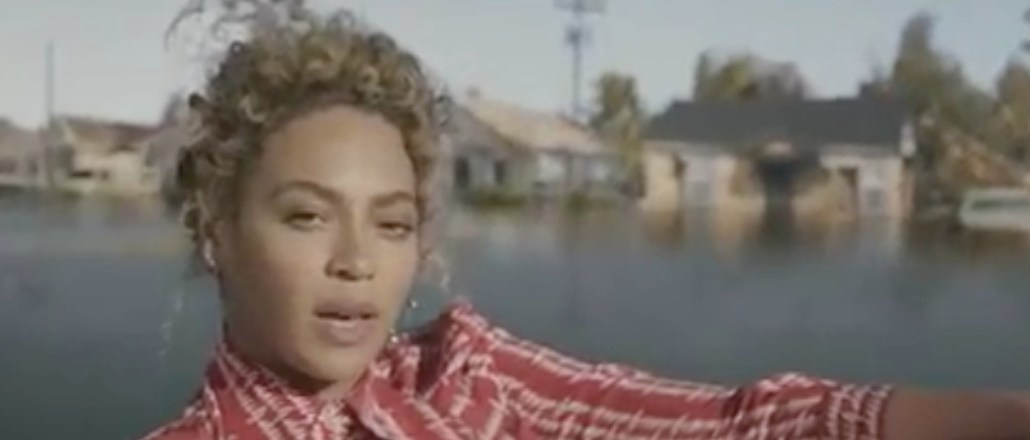

Yesterday, Beyoncé dropped a new song called “Formation” ahead of her Super Bowl halftime performance.
While the song immediately captured the Internet’s attention, her fans, a.k.a. The Beyhive, took notice of a particularly racy lyric mentioning a brand: “When he fuck me good I take his ass to Red Lobster, cause I slay,” sings Beyoncé.
Talk about publicity any brand would crave.
Unfortunately, looks like Red Lobster didn’t crave it enough. The lyric sent Twitter into a frenzy waiting for Red Lobster to respond:
everyone watching @redlobster like pic.twitter.com/tOqBsDC2U8
— Sam Diss (@SamDiss) February 6, 2016
Red Lobster are ringing their social media manager like “I DON’T CARE IF YOU’RE HAVING DINNER MARK WE NEED YOU RIGHT NOW” — Sam Diss (@SamDiss) February 6, 2016
waiting on red lobster like… pic.twitter.com/qEwObDgyqX
— dara (@lovedarbie) February 6, 2016
Well, it took Red Lobster eight hours, but it finally responded with… this:
“Cheddar Bey Biscuits” has a nice ring to it, don’t you think? #Formation @Beyonce pic.twitter.com/QzgVtYAKNo — Red Lobster (@redlobster) February 7, 2016
Red Lobster’s tweet racked up a combined 19,000 making it one of it’s most retweeted and liked posts ever. Despite the popularity, it didn’t win over the Beyhive, which were anticipating something, let’s say, snappier. One of the reasons they didn’t like the response was how late it came, with people dragging the brand and its agency for its tardiness, as seen here:
We were hoping @redlobster wouldn’t disappoint us but… pic.twitter.com/C29cvwZpjW
— xoNecole (@xonecole) February 7, 2016
.@redlobster @Beyonce Social media strategy: if this tweet was done during the #Formation firestorm, it’d get an okay. Hrs later? Nah. — Dara Adeeyo (@DAdeeyo) February 7, 2016
@redlobster yall had hours and this is what yall come up with? pic.twitter.com/DY2jO6y9Ti
— E. (@ErykahTbh) February 7, 2016
@redlobster fire ur agency. Then fire everyone who hired them — KING BEN SOLOMON (@KINGS0L0M0N) February 7, 2016
Late. @redlobster pic.twitter.com/mHqS6BpT11
— A. (@FreshAir_In) February 7, 2016
@redlobster too late. pic.twitter.com/rM8s3xd68o
— wewatchwatchers (@wewatchwatchers) February 7, 2016
It’s especially strange that it took the brand so long to respond. “Formation” already has 7 million views on YouTube, and if there’s a certain weekend brands need to be alert, it’s this, Super Bowl weekend, which is basically social media Christmas for brands.
If there’s a bright side for Red Lobster, at least Beyoncé still likes it.


More in Marketing
Ruggable’s new ad spend strategy shifts focus to ShopMy creators
Ruggable is shaking up its marketing stack, pulling dollars our of Meta and into ShopMy creators ahead of a potential IPO.
Future of Marketing Briefing: The holdcos long, awkward courtship of the C-suite
What holdcos risk when they go over the CMO’s head.
Brands turn to content series and Jimi Hendrix to improve AI search performance
Guitar brand Fender and amp-maker Marshall both recently launched content series aimed, in part, at improving their visibility in AI search answers. It’s part of a greater pattern.