Join us Sept. 14-16 in Miami to connect with top publishing leaders
‘Cannibalism of Snapchat’: Agencies react to Instagram’s new live Events channel
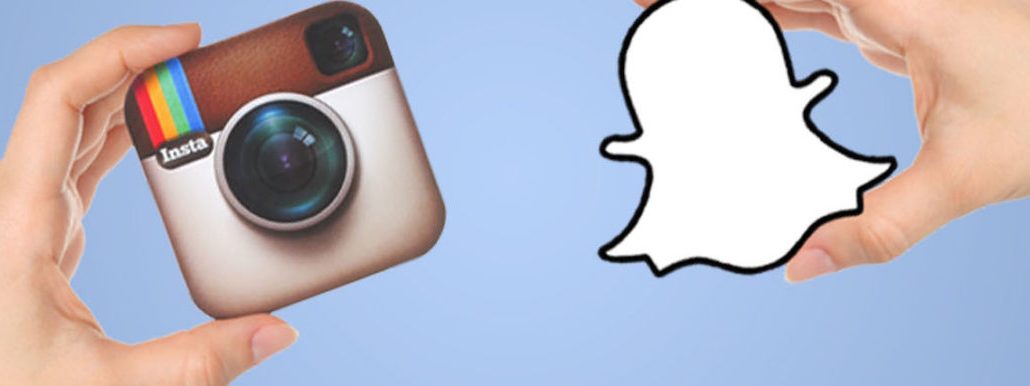

Just a few weeks after rolling out its Snapchat-esque Stories feature, Instagram cloned another Snapchat tool by implementing a new live events video channel. The channel, called Events, will live under the Explore tab, where Instagram surfaces other accounts a user might want to follow. The channel is to be personalized for each user and feature videos from events — concerts, festivals and sporting matches, for example — depending on what types of accounts the user follows.
Although Instagram isn’t currently allowing ads or sponsored events on the new feature, representatives from several agencies said that brands can still benefit from the channel.
Content on the new channel is algorithmically sourced and ranked. Videos are categorized by tags, though hashtags aren’t currently incorporated into the channel. “For a channel to be generated around an event, there have to be a certain number of videos posted within 24 hours of the event,” according to an Instagram spokesperson who declined to specify the number of videos needed to generate a channel.
Because details are murky and any user’s content can appear in a channel, brands may have a difficult time standing out without paid ads. But events with limited access present brands with a chance to shine, said Jared Grant, communications strategy director at Goodby Silverstein & Partners. While thousands of people may upload content related to the VMAs or Oscars, for example, brands attending the event can separate their content from the crowd by “letting people see what’s going on from the ground.”
Brands can also “inject themselves when they have a sponsorship with the event or some sort of tie with the event,” said Kevin Del Rosario, associate director of social media at Huge. Karan Dang, digital creative director at 180LA, added that for clients who regularly sponsor events such as Miller and Asics, the channel will “definitely help our brands be more visible when users are consuming content from those events.”
While brands can’t guarantee their event-related content will get curated into people’s feeds, that’s a risk they’ll have to grow comfortable with if they want to take advantage of an evolving feature, said Jane Quigley, chief client officer at social media consultancy Converseon.
“You have to know it’s a new feature,” Quigley said. “As much as they are curating it, they are also shaping what the tool is going to be.”
Several agencies we spoke with speculated that as Instagram gets people used to the feature and figures out what works best, the Facebook-owned company may eventually insert ads, allow brands to buy specific events, crowdsource curation, or incorporate hashtags into the channel. In the meantime, brands should closely monitor what gets placed prominently in people’s feeds so that they can design content favorable to Instagram’s algorithm, said digital marketing consultant Jasmine Sandler.
Although it’s possible that there could be “some sort of cannibalism of Snapchat features” with Instagram adopting more Snapchat-like tools, “there are also a lot of people who just absolutely love Snapchat, and I don’t see them going away from that,” Grant said.
Quigley was blunter about what Instagram’s copycat features might mean for Snapchat.
“Let’s be honest, Snapchat is being ripped off all over the world,” she said in reference to Twitter’s Moments and apps such as Snow and Line. “Any platform is going to live or die by their audience.”


More in Marketing

By the numbers: Wall Street’s tough assessment of ad tech
Big Tech continues to dominate digital growth, triggering a Wall Street exodus, but are returns imminent?
CMOs are struggling to link AI visibility with sales
Brands are spending on tools that rate their visibility within LLM responses and AI search, but proving the commercial impact of GEO remedies isn’t easy.
Lifestyle brand Stanley 1913 adapts its marketing for the AI search era
The marketing it was doing worked well, but only for a human audience. The brand needed different approaches to ensure it was picked up by the AI platforms.