for the Digiday Programmatic Marketing Summit, May 6-8 in Palm Springs.
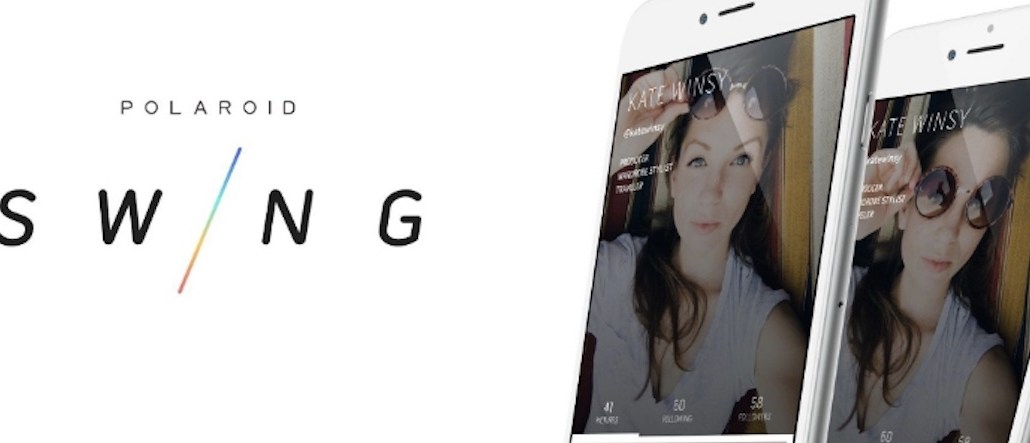

Polaroid, arguably the original Instagram, now has an app.
The beleaguered brand took the wraps off a new app today called Swing, which lets users shoot a burst of images that are combined into a second-long video clip and is swipeable with their finger.
Essentially, it’s one part Apple Live Photos meets Twitter’s swipeable GIFs with some filters thrown in. “They combine the compositional quality of a still photograph with the vitality of a world that’s always in motion,” Polaroid explained in a release. Swing is only available for iPhone users for now.
Polaroid Swing was created in part with help from Twitter co-founder Biz Stone, explaining to CNet that the app “has the potential to change the way we think about images, just like Twitter’s 140 characters changed how we think about words.”
It’s a lofty goal, considering that the 75-year-old brand has struggled to maintain any relevance in this mobile era. Now the challenge is convincing people to download another photo sharing app because Instagram’s Boomerang, Vine and even Twitter’s new photo and video tools all can spit out similar images.
Polaroid is pinning on its recognizable brand name to help. “In its heyday, the world created and saw culture through Polaroid. We have reconnected with creative communities to showcase the best of the new medium and get Polaroid moving photos out into culture,” the brand said.
But if it can tap into just a tiny bit of Instagram’s explosive growth, which now counts 500 million monthly active users, perhaps Swing could help Polaroid become relevant once again.


More in Marketing
Aldi hires Instacart to power its U.S. website instead of developing it in-house
Aldi U.S. launched a new website and app powered by Instacart’s white-label e-commerce and fulfillment platform, Storefront Pro.

What OpenAI’s TBPN deal reveals about branded entertainment’s limits
Brands are building in-house entertainment studios on the promise that great content earns the audiences advertising can’t buy.

Digiday+ Research: Retailers take a more complex approach to loyalty
Loyalty programs have changed over the last year: The number of retailers who offer them has increased, and the programs are now more complex.