Join us Dec. 1-3 in Nashville for the Digiday Programmatic Marketing Summit
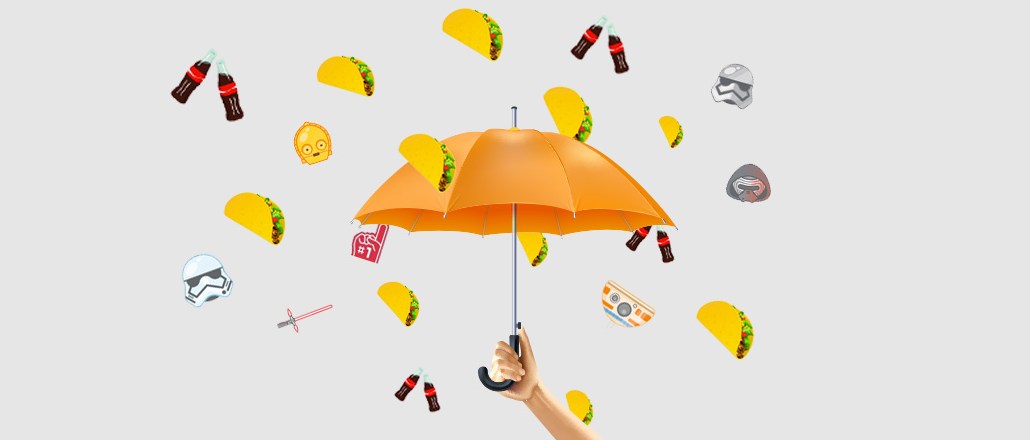
You’re not just imagining things: Brands are using emojis in tweets and Facebook posts more than ever.
Six in 10 of the 500 most followed brands online used emojis in its tweets in the fourth quarter of 2015, according to social media analytics firm SocialBakers. That’s up from the same period in 2014, when four in 10 brands used emoji.
On Facebook, 40 percent of brands used an emoji in the last quarter of 2015, up from 28 percent the year prior. “From a text perspective, Facebook is more long-form type platform,” Jan Rezab, founder of SocialBakers told Digiday explaining why that is. “On platforms like Twitter and Instagram, it’s more normal to use emojis.”
Brands like Coca-Cola have created custom emojis and Domino’s lets users order pizza by tweeting a slice at them. However, in its report, SocialBakers cautioned brands not to overuse them despite its popularity. “As younger audiences fully fluent in integrated emoji-and-characters writing become a larger part of your customer base, brands will need to become increasingly adept at reaching them without being patronizing,” the report said.
SocialBaker’s report mirrors a Simply Measured study, which tracked emoji use on Instagram during the same time finding that brands used emojis in 35 percent of captions. The heart is the emoji that spikes the most engagement, averaging 120,000 likes and comments.
At this rate, the branded emoji bubble may be close to finally bursting. One can only hope.


More in Marketing
Walmart Connect pitches brands directly as it pushes lift studies ahead of holiday ad deals
Walmart Connect is using lift studies to prove ad performance directly to brands ahead of the holidays, signaling a tighter race with Amazon.

Target’s holiday push stresses affordability, exclusives and an AI assistant
Target is also rolling out an AI-powered assistant called Ask Target on Target.com and the Target app.

Indie agencies want The Trade Desk and Amazon DSP to acknowledge their buying power with negotiating leverage
Indie agencies say DSP giants block direct seats and fee relief despite spend commitments.