Join us Oct. 26-28 in Newport Beach for the Digiday Media Buying Summit
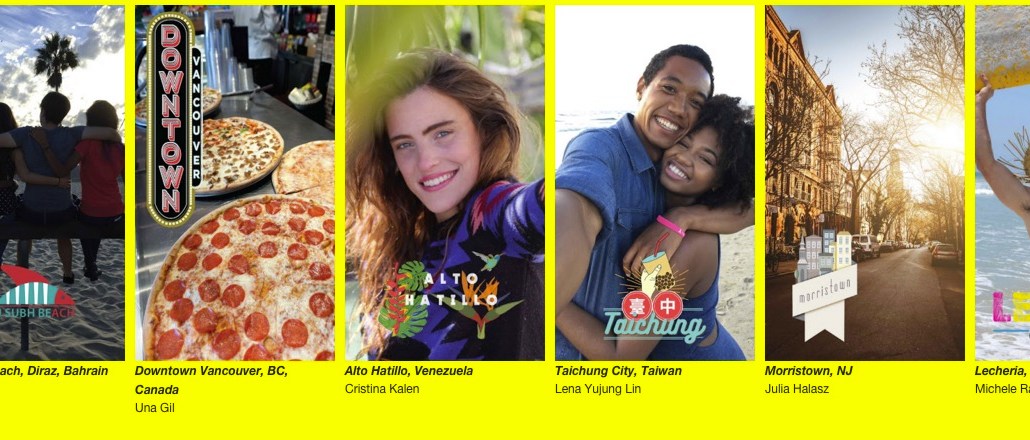
More face swaps are in, in-app purchases are out on Snapchat.
Tucked away in last night’s update that expands its popular face swapping option to include the ability to let people switch faces with their photo roll, Snapchat ditched its latest monetization of selling replays. Now users can replay snaps for free.
Seven months is a long enough time to figure out that people didn’t want to pay upwards of $4.99 to re-watch friends’ goofy snaps. At its launch last September, Snapchat acknowledged that selling replays for few bucks a pop was lame, writing in its blog that it’s a “little pricey — but time is money!”
Snapchat’s proven adept at attracting ad dollars from big brands, many with a serious case of FOMO. But like most media businesses these days, it’s exploring ways to get people to pay up directly. So far, the results aren’t good.
It only took two months before Snapchat shelved its lens store in January, asking people to pay 99 cents apiece for the animated photo filters. “No one is going to buy those filters, losers,” a user said at the time, following a parade of vocal responses from users, again, saying they weren’t going to fork over money. One bright spot: the app’s geofilter store that lets users design filters and activate over certain areas for a set amount of time has been an early success with companies, parties and colleges using them.
Snapchat didn’t immediately respond for comment.


More in Media
CNN takes All Access abroad to turn global reach into paying subscribers
CNN is bringing its All Access subscription service to the U.K. and Canada as part of a broader push to turn its international audience into paying subscribers.

Ad industry tallies early losses from Apple’s Safari tracking block
A week after Apple’s Safari block, the ad industry is still waiting for the other shoe to drop.
Welcome to Creator University: Inside the colleges building creator economy programs
As more young folks seek to enter the creator economy, universities are offering classes covering every layer of the still-growing ecosystem.