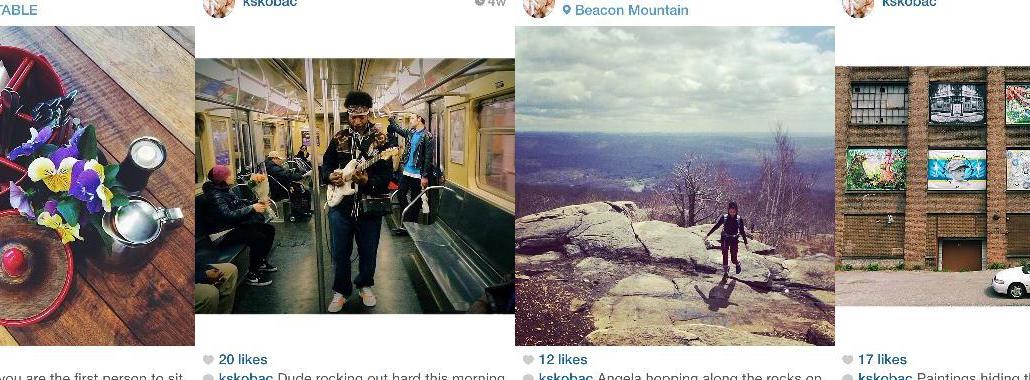
It’s the age of the algorithm, and brands are just living in it. Facebook’s algorithm made free reach a thing of the past, and Twitter is now moving toward an algorithm as a defining part of its user experience. The question for many brands: When does an algorithm come to Facebook-owned Instagram?
There are already signs that the conditions exist arguing for an Instagram algorithm. Organic reach and engagement levels have already begun dipping, leading big brands to prepare for the day that an algorithm comes to Instagram, which will make it feel a lot more like parent site Facebook — where companies have to pay to get their message to users.
“I fully expect that they will move to an algorithm at some point,” said Kenny Mitchell, head of consumer engagement at Gatorade, which has 743,000 followers on Instagram. “Because of the tremendous growth, having an algorithm can help with the utility of the platform, so you’re actually getting served things that are most useful to you,” said Gatorade’s Mitchell.
His assessment is widely shared. The sheer volume of posts and number of people on Instagram are starting to make the feed unwieldy, they say.
Instagram declined to comment for this story. It has topped 400 million users. There is so much content on the platform that brands are starting to see once-stellar engagement rates and organic reach drop, said to Justin Rezvani, CEO of TheAmplify, an influencer marketing technology platform.
“We’ve absolutely seen a throttling back, organic reach has gone down,” he said. “That’s a matter of fact.”
In 2014, organic, unpaid content would be seen by, on average, 75 percent of a person’s followers, Rezvani said. Last year, organic reach went down to about 50 percent of followers seeing a given post from an influencer, on average. It’s simple physics: As the user base grows, the number of posts people can process declines.
Instagram is still regarded as the most engaging place for brands, but there are signs that’s slowing down, too. In 2014, engagement rates on brands’ organic posts were more than 4 percent, with Facebook and Twitter rates below 1 percent, according to Forrester.
More recently, marketing technology firms say engagement rates are likewise facing downward pressure. One social firm, Locowise, said engagement rates were down by more than half by the end of 2015. A drop in visibility could easily be attributed to Instagram sprawl, Rezvani said. The typical Instagram user now follows between 400 and 500 accounts — that number used to be 250 a little more than a year ago, Rezvani said.
Chris Tuff, director of business development at 22 squared, said the reason a Facebook-style algorithm makes sense is that it would only be natural for the social network to apply what worked so well for the company with its news feed.
“Instagram is filling up faster,” said Tuff. “People are posting more, and algorithm is the right evolution for the platform, with Facebook wanting to monetize more and preserve the user experience.”


More in Media

Creator mentors Colin and Samir want to turn their followers’ ideas into productions
Creator mentors Colin and Samir teamed up with Adobe to fund a creator’s project; the first step towards the duo’s new production era.
How a fashion creator turned audience demand into a 500+ client styling business
A creator with a fashion merchandising degree speaks on her quest to diversify revenue fast, from styling to sweat equity investment.
Forbes looks to Google AI pilot for insights as publishers seek value beyond the click
Forbes has joined Google’s paid News AI pilot that gives Google expanded rights to its content to test new ways of providing readers with context about stories before they click through.