Join us Dec. 1-3 in Nashville for the Digiday Programmatic Marketing Summit

Crowdsourcing is the New Black: What do you do when you’re in the middle of preparing roasted lamb shank and you realize you forgot to get fresh rosemary? Not to worry, just ask someone else who is already at the store or planning on going shortly to grab it for you via new crowdsourcing grocery shopping service called Milk, Please! The service is currently only available in Italy, but who knows, I could see something like this doing well in somewhere like, say, Brooklyn (see bit on eco-friendliness and carbon footprint). (via Psfk)
Make Way for the Young: Sixth grader Thomas Suarez is the latest tech wunderkind. At the age of 12, Suarez has already given a TED Talk, started his own company, CarrotCorp, and made two iOS apps that are currently available in the App Store. Watch the young chief engineer and app developer play around with MakerBot’s new 3D printer. (via TNW)
Chinese Memes: The idea that memes become viral has a lot more meaning in China, where memes carry a much more significant message than a corgi dressed in a suit. While the Chinese government often tries to stamp out sociopolitical memes that crop up, like ones that Chinese citizens started in support of Chinese artist Ai Wei Wei, people continue to create and pass on these Web culture bits, keeping the message alive. (via Fast Company)
YouTube Gems: Hey, lambchop, do you like Digiday Etc?
Awesome!
Hey, cat, do you think you would get along with Digiday’s office dog, Henry?
Jesus, OK. Forget it.


More in Media
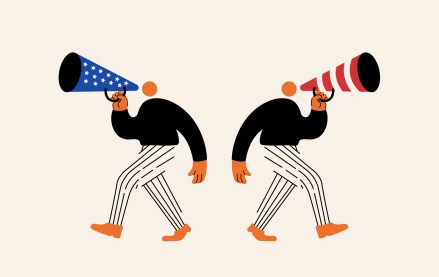
The Hill adds interactive election tools to subscription offering ahead of the midterms
The Hill is betting on interactive subscriber-only features to help grow its new subscription business ahead of the 2026 midterms.

The Daily Mail tests GEO with brands ahead of AI visibility product
The Daily Mail is running around a dozen GEO tests to work out what works before turning its AI visibility offering into an official product early next year.

Meta delays rollout of updated commercial terms amid publishers’ collective pushback
Meta’s updated commercial terms have galvanized publishers into a coordinated pushback over the company’s use of their content.