
You are probably not going to read this because it is Friday before Labor Day. But here are some links anyway, in case you missed them.
Bing wants to help you stalk your friends without ever having to leave the Bing site. I never use Bing (sorry, Microsoft), so this doesn’t really bother me too much, but it does seem like overkill as far as social is concerned. Do you really need a search engine to help you look through your Facebook friends’ photos? And, of course, there is always the issues of privacy. (The Verge)
From analyzing reader reactions to different types of stories, Buzzfeed found that websites can actually get depressed across the board. Yes, that sounds weird, but it’s true. The social Web can reflect social moods. (Buzzfeed)
Is it possible to have an online commenting section that enables intelligent, civil, and interesting conversations and have it be a completely open, democratic, uncensored environment? Or do websites have to put limits and ban anonymity in the comments section to keep things under control and civil? Are moderators or having no comments the answer? (The Daily Beast)
Here are the top 10 questions from Redditors that Obama choosed to ignore during is AMA session, including “What’s in Area 51?” (Slate)
Here is a pretty good photobomb to start your long weekend. (Buzzfeed)


More in Media
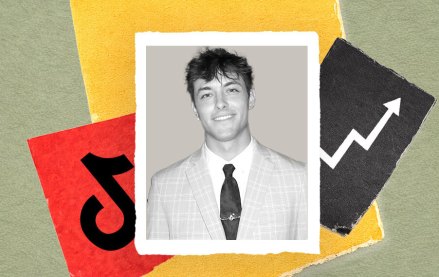
How a ‘TikTok doctorate’ made 26-year-old Griffin Johnson a venture capitalist
Griffin Johnson made it big on TikTok back in 2019, now he runs a VC firm and uses his marketing expertise in the Derby world.

Media Briefing: Publishers debate the value of AI licensing and GEO
Publishers may be gaining visibility in AI search, but execs say the lack of traffic and licensing revenue is raising doubts about the payoff.

Meta’s bid to woo creators to Facebook just might work, despite its recent legal woes
Meta’s recent legal woes likely won’t deter creators from trying out its new Facebook Creator Track, according to marketing experts.