Join us Dec. 1-3 in Nashville for the Digiday Programmatic Marketing Summit

At first glance, Dots is the quintessential out-of-nowhere viral hit. The mobile game debuted in May and seven months later has 16 million downloads.
But that’s no accident. Betaworks, the company that makes Dots, took a very data-focused approach to making the game — and then gave it the extra push it needed to go from a niche hit to a blockbuster.
“Even though it’s a pure creative idea, it got to be the No. 1 app in the U.S. and a couple other countries through data,” explained James Cooper, head of creative at Betaworks, in a session today at the Digiday Brand Summit in Deer Valley, Utah.
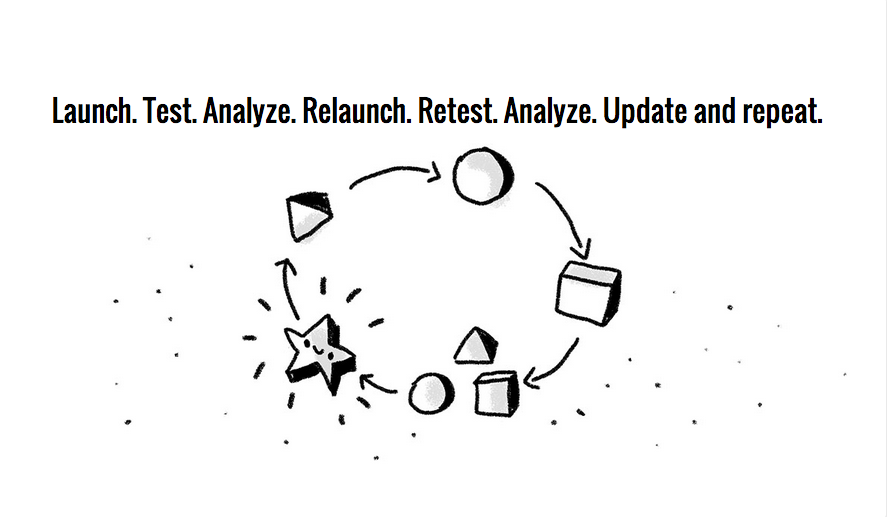
Dots was the work of Betaworks “hacker in residence” Patrick Moberg, who stumbled on the idea while experimenting with iOS interaction designs. The first version of the game wasn’t released widely. Instead, Betaworks spent months testing it with a small group of 15 people. Using feedback, it tweaked the gameplay and user experience. Only then did Dots launch, taking off to reach No. 4 in the Apple App Store.
Betaworks wasn’t content to stop there. It used targeted ads on Facebook to get gamers to download the app. Soon it was able to leap from the No. 4 to No. 1 game. The lesson: “Even when you think you’re hot, you need a boost,” Cooper said.
See his presentation here, and watch a four-minute clip of Cooper’s talk below:
James Cooper – Five Lessons From Five Successful Startups from Digiday on Vimeo.
The original version of this story stated Dots garnered 60 million downloads. It has been updated to reflect the correct figure: 16 million.


More in Media

Creators say it’s difficult to make money from news — with platform rules and brand guidelines
With more people getting news from creators than traditional media, those creators are still trying to build sustainable businesses.

Why CNN International is building for agentic ad market that barely exists yet
CNN International is still chasing its first agent-sold dollar by Q1.

Media Briefing: The transatlantic push to rein in stealth bots is gathering pace
U.S. and U.K. publishers are pushing for laws to crack down on stealth AI crawlers as bot scraping surges and demands for transparency grow.