Zara is the latest retailer to spur social media outrage over Holocaust-tinged items
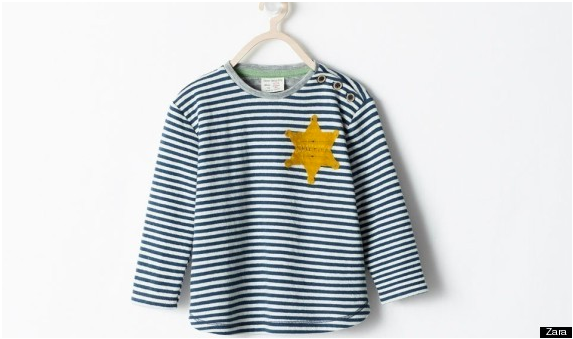
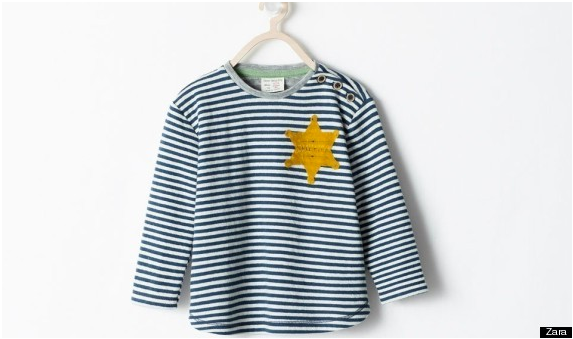
Trend-setting fashion brands are hardly strangers to controversy. Sometimes they court it purposefully, other times it can be the result of a social media faux pas. In the case of high-end fashion brand Zara though, it was a product that crossed a line: a poorly designed piece of clothing that has caused a bit of outrage, especially in the Jewish community.
Zara recently released (and has since recalled) what they called a “Sheriff” pajama t-shirt for children, which strongly resembles the uniform of the imprisoned Jews of the Holocaust. The black and white striped shirt features a six point star, similar to the Star of David on the chest, recalling the stars patched on to Jewish prisoners of concentration camps.
Zara isn’t the only retailer that’s recently inadvertently stepped in when it comes to the Holocaust. Walmart, Amazon and Sears came under social media fire from shoppers this summer for selling a commemorative poster featuring a photo of one of Nazi Germany’s concentration camps.
To Zara’s credit, it quickly apologized on Twitter for the design. It spent the morning cutting and pasting apologies on Twitter, rather than releasing a broad statement.
@zh1nt0 We honestly apologize, the T Shirt was inspired by the sheriffís stars from the Classic Western films and is no longer in our stores
— ZARA (@ZARA) August 27, 2014
“This is an unfortunate coincidence rather than a deliberate insult,” Rabbi Dr. Jonathan Romain, minister of Maidenhead Synagogue told The Telegraph. “It was right that the error was pointed out and all credit to Zara for withdrawing the product immediately.”
This isn’t the first time that Zara has inadvertently created a design that slipped into anti-Semitic territory. A few years ago they released a handbag adorned with swastikas, the Hindu symbol appropriated by the Nazis and transformed into a symbol of hate.
In a world where hate is flowing like water, brands would be wise to stay as far from it as possible. Whether by mistake or not, wading directly into the middle of religious political tension will undoubtedly be a public relations nightmare. We’ll stick to Adventure Time pajamas, thanks.


More in Marketing

‘The processes are continuing forward’: Advertising’s dealmakers press on with M&A despite Iran uncertainty
War in the Middle East is a problem for advertising’s dealmakers. Just not yet.

In graphic detail: The numbers making the case for what holdcos could be
What the data says about the CMO-agency relationship — and none of it is comfortable.

TikTok rebrands its advertiser pitch around full-funnel ambition
The company’s latest business campaign aims to make the point that the app sees itself as a top tier platform for advertisers, where the full funnel can happen within one experience.