Join us Dec. 1-3 in Nashville for the Digiday Programmatic Marketing Summit

Display is dead, so they say. It’s all over the news. Content is the new kid in town and it’s a great way to get consumers to trust your brand. That’s great and all, but display advertising has what content approaches often lack: scale.
That’s why beauty brand Remington for the launch of its newest hair-removal product, decided to mix the approaches.
Remington already had its Remington Ready website, which carries beauty and fashion content like how-to tips, tools, trends, and tricks of the trade. The company has been using the site to provide useful information, while at the same time positioning the brand as a thought-leader in all things beauty. Remington relied on SEO and a Facebook page to drive traffic to the content.
The company tapped OneSpot technology to grab an RSS feed of the Remington Ready website and automatically turn each beauty and fashion article into a display ad, which is then placed on relevant publisher sites across the Web.
One of the ads:
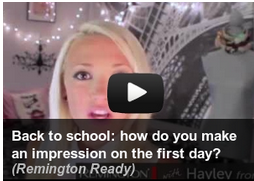
But driving traffic is only the first step of Remington’s content campaign. The next step involves “sequencing” content and product offers to drive sales of the iLight Pro product. After a user engages with the Remington content, the user is retargeted with ads from third party articles, which focus on the product category.
A retargeted ad:

Remington is seeing what it considers good results from this initiative. The iLight Pro third party media has consistently garnered a 0.48 percent click-through rate and the owned media is seeing a 0.35 percent click through rate on average. These numbers are substantially higher than the 0.1 percent industry average.


More in Marketing
In Graphic Detail: What Apple’s identity block means for the ad money
How Apple’s identity block hits publishers’ wallets, and why Apple can afford it.
Anthropic’s ad bill is soaring, according to IPO filing
Anthropic’s IPO filing shows an ad-free AI company with a fast-growing ad bill.
Salesforce’s $5.7 billion Braze deal puts marketers at an ecosystem crossroads
The deal promises faster, more connected marketing, while raising questions about vendor lock-in and how brands stand out as AI automates campaign execution.