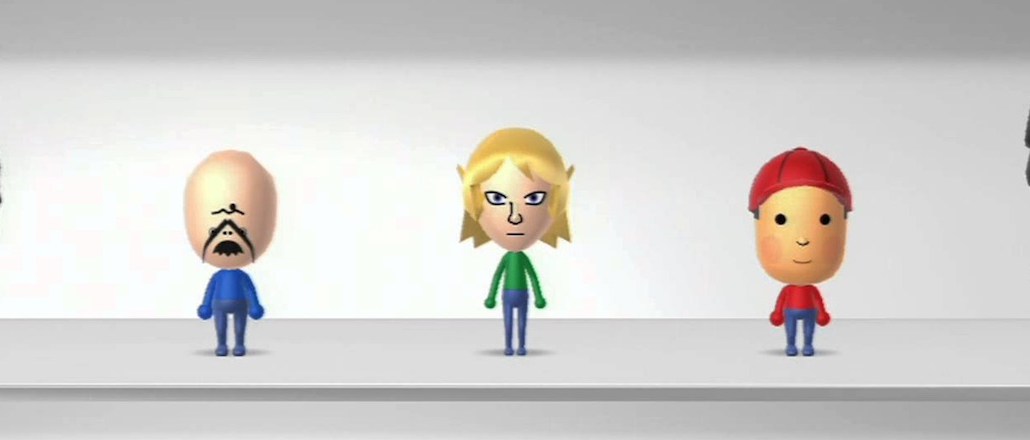
For a company that revolutionized gaming, Nintendo is finally entering the digital age with its first mobile game. Unfortunately, it’s not a Super Mario Bros. app.
It’s called “Miitomo,” a free-to-play game that revolves around its popular Mii characters in what more closely resembles a messaging app than a platform or racing game. In the game, due out next March, players communicate with their friends using their Mii avatars, à la The Sims without the carnage, as seen here:

Miitomo will connected with user’s home consoles through its new cloud-based service and it’s being monetized through the sale of Mii accessories.
“You might dig up some previously-buried topics of conversation, learn about a surprising side of your friend you’ve never seen before, find things you never knew you had in common,” Nintendo’s president Tatsumi Kimishima said at press conference in Japan this morning.
Miitomo is the first of five smartphone apps Nintendo plans on releasing over the next two years. Yet, it’s weird that its first game isn’t an instantly recognizable brand that could quickly make Nintendo tons of money and have instant recognition, like Donkey Kong or The Legend of Zelda. For now, buying an Nintendo 3DS is the only way to play these titles while on-the-go.
Faced with uneven 3DS sales, Nintendo is slowly realizing that exporting its games to other platforms that it doesn’t manufacture might inject some revenue and life into the company.
Images via Nintendo.


More in Marketing

From influencers to AI, here’s what Gen Alpha thinks about your brand
The Gen Alpha cohort now influences nearly half of total U.S. household spending in families with children ages 8-14.

At S4 Capital’s Monks, agents can run autonomously, unsupervised for days
S4 Capital’s digital agency now budgets for tokens and talent from the same pot.

Dhar Mann’s $100M AWNY deal target for creators is already pledged (so he says)
The goal with Dhar Mann as AWNY’s chief creator officer is to make it easier to make connections that are often held up by corporate red tape and too many layers between creator and CMO.