George Zimmer designed a line of college football-themed tuxes for ESPN
You might regret the way you look on New Year’s Eve.
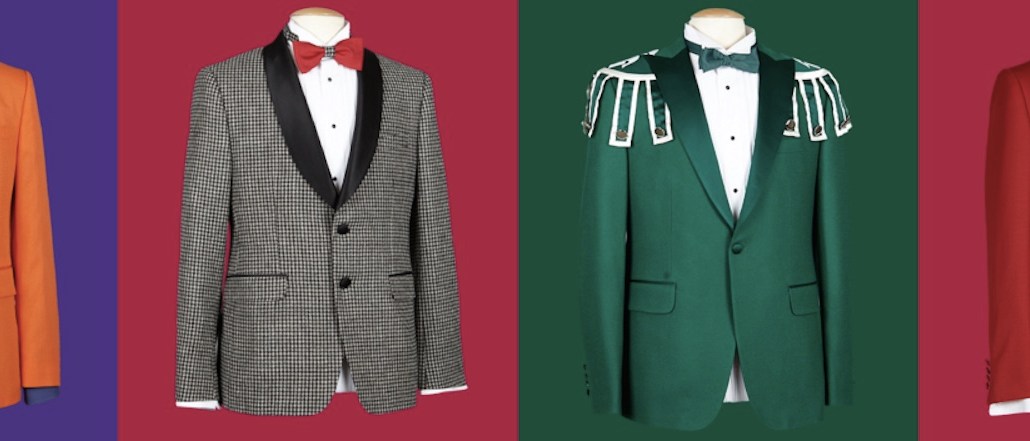
George Zimmer, America’s avuncular sartorial ambassador, teamed up with ESPN to create a line of college football-themed tuxedos for the night’s two bowl games, called “The New Year’s Eve Collection.”
The line consists of four suits draped in the team’s colors: Clemson University (a very bright orange), University of Alabama (a “classic houndstooth” made from wool), Michigan State University (that includes “stylish epaulettes”) and University of Oklahoma (also made from wool, but includes a wagon wheel button). Combined, the cheesy designs are make for one bright shade of silly publicity.
Enticing? Well, the Zimmer-designed tuxes won’t be sold in stores — to say nothing of the Men’s Warehouse, where he was forced from his chief executive role in 2013. Fans cans enter to win one of 10 suits on his startup’s website, Generation Tux.
“New Year’s Eve is one of the most festive occasions of the year – and one that certainly calls for a tux,” Zimmer told ESPN. “With this collection, we’re making sure guys can now choose to show off their team spirit in unprecedented style.”
“Unprecedented” is certainly word that many aren’t using to describe the gaudy tuxes. For The Win described them more accurately, calling them “plum awful.”


More in Marketing

In graphic detail: The long road to accountability for social media platforms
Last week’s social media addiction rulings signal a fundamental shift: the platforms can now judged, not just on their content, but on how they are built and designed.

What AI disruption means for experimental ad budgets
The 2026 ad budget is now a lab experiment as marketers boost experimental budgets for AI and emerging channels.

AI influencer discovery tools are changing how agencies cast creators
As creator spending grows among brand advertisers, agencies are using AI to automate much of the influencer marketing workflow. Now, that includes casting.