Join us Dec. 1-3 in Nashville for the Digiday Programmatic Marketing Summit
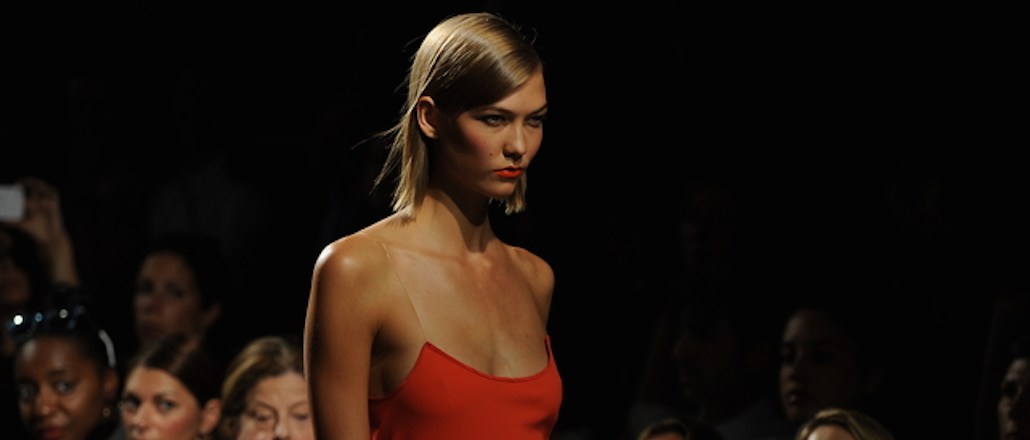
Fashion brands from Burberry to Rebecca Minkoff have dreamt up a new consumer-driven vision for the fashion show: The clothes they send down the runways will go on sale as consumers are seeing them for the first time, rather than at a six-month delay.
This see-now-buy-now model has been top of mind in the fashion industry since February, when Burberry made the call to switch it up. In the months since, much of the fashion world has slowly woken up to the idea that they should sell their clothes when consumers are interested in buying them. Revolutionary.
To read the rest of this story, please visit Glossy.


More in Marketing

In Graphic Detail: What Apple’s identity block means for the ad money
How Apple’s identity block hits publishers’ wallets, and why Apple can afford it.
Anthropic’s ad bill is soaring, according to IPO filing
Anthropic’s IPO filing shows an ad-free AI company with a fast-growing ad bill.

Salesforce’s $5.7 billion Braze deal puts marketers at an ecosystem crossroads
The deal promises faster, more connected marketing, while raising questions about vendor lock-in and how brands stand out as AI automates campaign execution.