Secure your place at the Digiday Media Buying Summit in Nashville, March 2-4
Brave, an ad-banishing browser, aims to block the Internet’s ‘greed and ugliness’
A Web browser that zaps ads only to replace them with more ads sounds counterproductive, but not to Mozilla co-founder and JavaScript creator Brendan Eich.
He’s built Brave, a new browser released in beta that “blocks all the greed and ugliness” on the Internet by automatically blocking slow-loading and privacy-invading ads by default and replaces them with approved ads.
The “Web today faces a primal threat” in the form of ad-blocking, Eich writes. While ad-blockers makes the Internet experience better, he says it feels like “free-riding, or even starting a war,” referring to Marco Arment’s ad-blocker app that was pulled from the Apple Store just a few days after its release.
Enter Brave. It’s a browser that blocks privacy-invading ads, malware and trackers and uses the company’s own safe ads. The plan is to convince brands and publishers to uses Brave’s ad-tech platform then splits revenue between itself and advertisers.
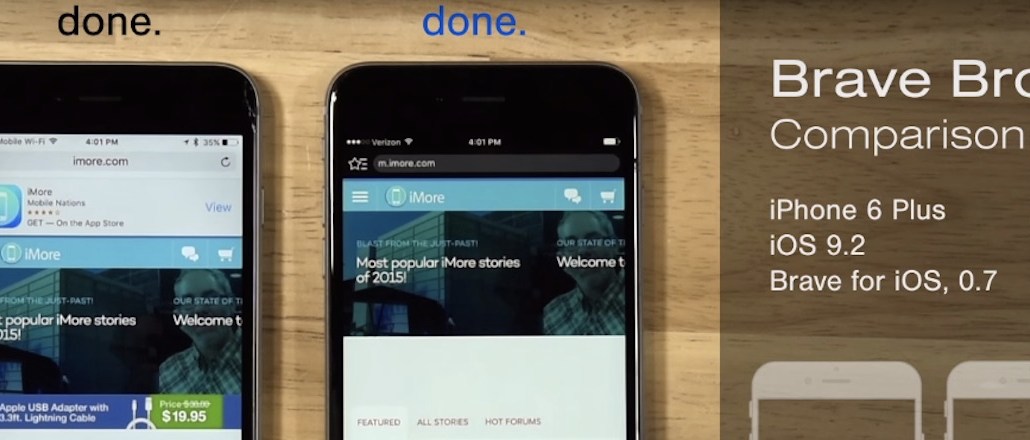
Brave released a video showing the browser in action, as seen below. On the left, is Apple’s Safari, where ads clog the usability of the Internet, and on the right is Brave, where pages load four times faster.
So far, Brave hasn’t signed up any advertisers but Eich said is working with “one of the big ad agencies” to pilot the browser.


More in Marketing
WTF are tokens?
When someone sends a prompt or receives a response, the system breaks language into small segments. These fragments are tokens.

AI is changing how retailers select tech partners
The quick rise of artificial intelligence-powered tools has reshaped retailers’ process of selecting technology partners for anything from marketing to supply chain to merchandising.

YouTube’s upmarket TV push still runs on mid-funnel DNA
YouTube is balancing wanting to be premium TV, the short-form powerhouse and a creator economy engine all at once.