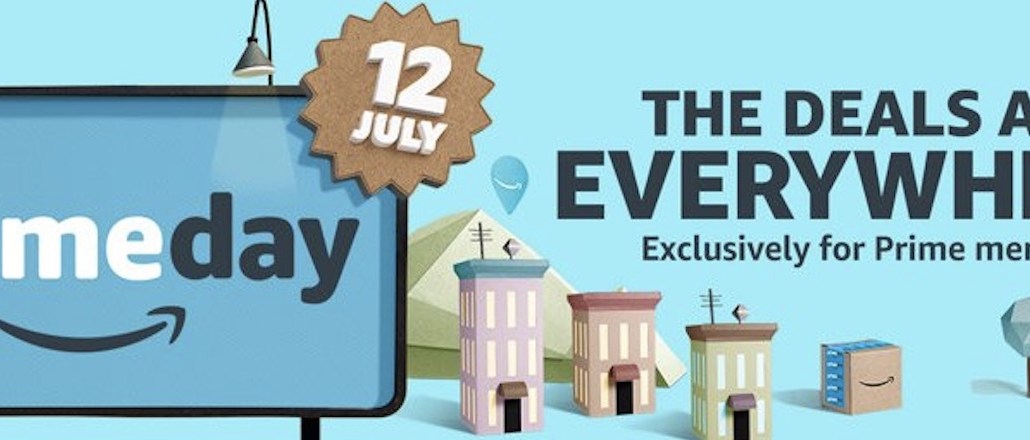
Amazon’s annual garage sale, a.k.a. Prime Day, returns July 12.
Prime Day is the retailer’s attempt at creating a mid-summer version of Black Friday, slashing prices on everything from televisions to toys. Last year was the first time Amazon held the one-day sale, which is only for members of its $99 subscription service.
Amazon is changing things up this year by offering sales every five minutes instead of 10 minutes and increasing the number deals to 100,000 spanning “nearly all departments and categories.” For example, Amazon is planning to sell a 32-inch TV and Fire TV stick combo for $119.99.
Last year’s Prime Day was derided by the internet as a way for Amazon to get rid of stuff nobody wants, with one person calling the deals a “mish mosh of crap.” At one point last year, the hashtag #PrimeDayFail also trended on Twitter.
That sentiment appears to be carrying over to this year, with a person tweeting “This year, I’ll be going into #PrimeDay with skepticism. Last year was like going to a bad garage sale.” Another person mused: “Fool me once @amazon, shame on you. Fool me twice…”
Still, Amazon is claiming that people ordered 398 items per second during last year’s Prime Day. Sales, which surpassed Black Friday events before 2015, spiked 93 percent above average according to data from retail tracker ChannelAdvisor.
Competitors are taking notice of Prime Day and hoping to pull in some of the sales. Walmart is offering shoppers a free 30-day pass to its so-called Prime killer, ShipperPass, and said it would offer deals on July 12 too. Target and Macy’s also had similar type sales on Prime Day, but their plans have not yet been announced.


More in Marketing

At S4 Capital’s Monks, agents can run autonomously, unsupervised for days
S4 Capital’s digital agency now budgets for tokens and talent from the same pot.
Dhar Mann’s $100M AWNY deal target for creators is already pledged (so he says)
The goal with Dhar Mann as AWNY’s chief creator officer is to make it easier to make connections that are often held up by corporate red tape and too many layers between creator and CMO.

Brian Monahan exits Albertsons Media Collective amid leadership shake-up
Former Dentsu executive Brian Monahan exits Albertsons Media Collective as retail media shifts under CMO Emily Turner.