Join us Dec. 1-3 in Nashville for the Digiday Programmatic Marketing Summit
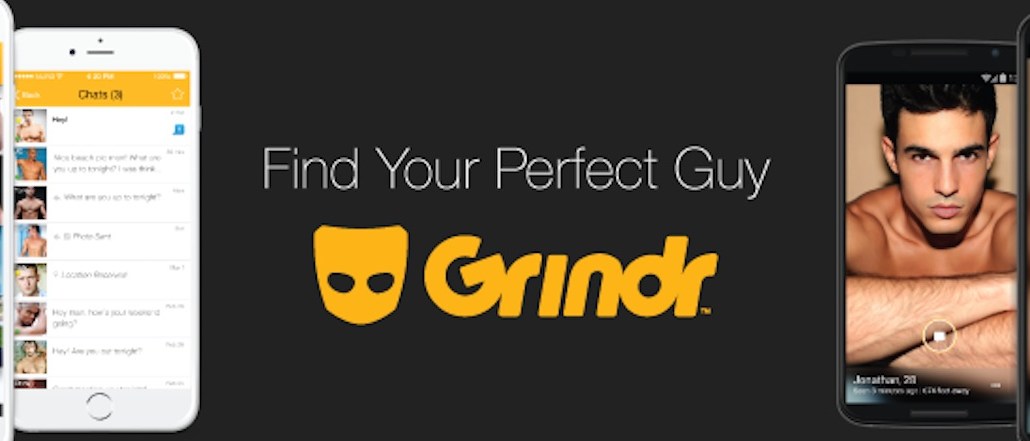
For an app that’s tiled with shirtless torsos, Grindr seems like an unlikely place to feature fashion — apparently not so.
Grindr, the gay dating app, is extending itself beyond facilitating quick hook ups and into the high-society world of couture by livestreaming J.W. Anderson’s men’s autumn/winter 2016 fashion show live from London this weekend.
When the show beings at 5 a.m. ET on Sunday users will see a pop-up containing a link to direct people to play the fashion show in their phone or tablet browsers.
While that might be a presumably slow time in the U.S., Grindr claims to have one million active users using the app at any given moment, meaning that’s exposure that any brand would covet.

For Jonathan Anderson, the 31-year-old British designer in charge of J.W. Anderson, using the app to show off his collection makes sense.
“I think fashion is a sexy platform as well, ultimately,” he told The New York Times. “We’re all humans, so we all have to be somewhat sexually attractive to someone. That’s the name of the game, with clothing.”
Grindr is transitioning beyond being a mobile meat market for guys as it modernizes its image.
In the fall, it hired Landis Smithers, a veteran of Old Navy and Playboy in various creative roles, as its first vp of marketing. Then, in December, it tapped PR Consulting to rep the app, the same publicity agency that counts J.W. Anderson as a client.
“There’s a generation out there that doesn’t seem to care if people know that Grindr is on their phone, and there’s a generation that does,” Smithers told the Times, hinting that collaborations with music and nightlife could be in the future.


More in Marketing
AI boosts discovery but reviews still seal the deal, new research shows
ChatGPT is where 16% of shoppers start looking for products. However, only 9% go there to actually buy something.

Future of Marketing Briefing: Advertisers have more ways than ever to choose a holdco, and free holdcos to choose from
Fewer holdcos, more ways to pick one: inside the changing agency pitch.

Walmart Connect pitches brands directly as it pushes lift studies ahead of holiday ad deals
Walmart Connect is using lift studies to prove ad performance directly to brands ahead of the holidays, signaling a tighter race with Amazon.