Last chance to save on Digiday Publishing Summit passes is February 9

In this day and age, most brands, in an effort to stay current and be everywhere, are on Twitter. The challenge is what to say to make people care. That has led to some regrettable tactics best placed in the trying-too-hard folder. Here is a list of common types of brand tweets that are really lame and make you wonder why they are even on Twitter in the first place, and real examples of brand tweets for each type of Twitter offense.
1. The RT Request: This is by far the most common and most shameless Twitter practice by brands. It’s the lazy, pointless retweet request. It’s always something stupid like “Retweet if you like X” or other cheesy variations of that. Yes, it works, but what about self-respect?


2. The Bizarre Product Placement: This is when brands plug their products in the most forced ways in cheesy or unrealistic scenarios. (This also can be roped into a RT Request tweet). Just see the examples.


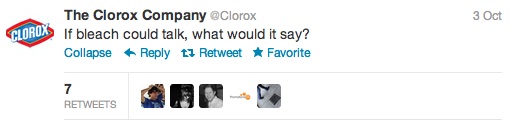
3. The Bad Pun: Tweets with rhymes or puns that are just plain corny. I mean when are puns not corny? If brands want to be more like people, this is a good way to be like the kind of person most normal people avoid.


4. The Random Question: Brands trying to get the ultimate brand buzzword, “engagement,” often resort to posing irrelevant questions that have nothing to do with what the brand offers or just dumb questions that no one would ever really want to answer. Again, it has been proven that people love to be asked questions. Do you love to be asked questions? Answer in the comments!

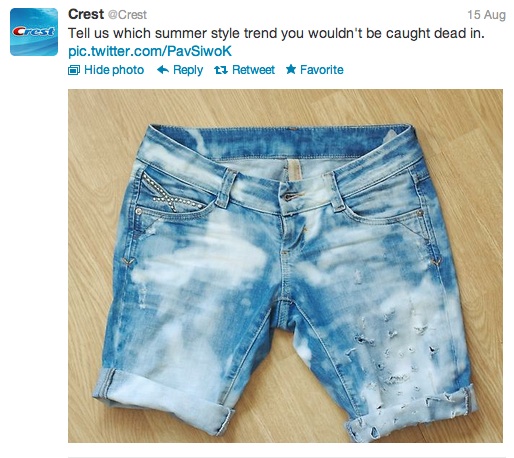
5. Glomming on Obscure Holidays/Seasonal Trends: Tweets that insert the brand into cultural trends, upcoming events and obscure holidays. These are invariably forced.


More in Marketing
‘Our marketing is not a bullshit machine’: Why Perplexity is investing in targeted, organic growth
Perplexity is banking on its name carrying weight to keep current users engaged and attract new ones

As AI catches on across luxury, brands play up their emotional value
At Shoptalk Luxe, vendors and brands alike described deeper AI integration than ever before.

Future of Marketing Briefing: Advertising’s tracking system meets a new political reality
The privacy debate in advertising is entering a phase when decisions will stick.