- 01 Wait, what’s the difference between scene-level targeting and other targeting tactics on streaming TV?
- 02 Why is scene-level data important for CTV campaigns anyway?
- 03 Got it. So, how does scene-level targeting work on CTV exactly?
- 04 Targeting scenes based on their emotion is an interesting approach to contextual advertising. How does targeting emotions impact advertising performance?
- 05 How do I know scene-level targeting is really moving the needle?
- 06 How can I use scene-level targeting with other targeting strategies?
- 07 How do I start implementing scene-level targeting?
This WTF guide, sponsored by Wurl, explores how CTV advertisers are driving positive attention and improved performance across the entire funnel by aligning creative with relevant onscreen context through scene-level targeting.
CTV has changed how advertisers reach audiences through the biggest screen in the home.
Research shows that ad-supported streaming TV services are experiencing a surge in popularity. Despite this boon in both viewership and content supply, CTV advertisers still struggle with an opaque ecosystem that limits the ability to control where their ads appear. On top of this, ad fill rates aren’t quite keeping pace, according to Wurl — signaling a significant opportunity for advertisers and content owners alike. This dynamic is ripe for change, with new tools and technologies now available that promise to help advertisers reach engaged viewers more effectively and efficiently at scale.
Among the new tools is scene-level targeting, a form of contextual advertising that analyzes content on screen just before the ad break to determine which ad should appear next. With scene-level targeting on CTV, advertisers can pinpoint relevant moments for greater impact.
“Effective communication often relies on the context in which it is delivered; the same rules apply in advertising. Scene-level targeting introduces a whole new level of precision to TV advertising,” said Ria Madrid, vice president of global advertising at Wurl. “Marketers can now deliver their brand messaging adjacent to relevant content and in alignment with viewers’ mindsets and level of attentiveness. It creates a smarter, more prescriptive connection between brands and consumers.”
In this WTF explainer guide, Digiday and Wurl examine what scene-level targeting is, how it differs from other targeting strategies and how brands are implementing it.

Scene-level targeting considers what is happening on screen in a show or movie before an ad break — not just the app, channel, genre or audience. By focusing on what is being watched and when — such as the emotional tone or the brand safety of a specific scene — scene-level targeting places ads in compatible moments that feel relevant to viewers.
Advertisers commonly rely solely on audience targeting, which is based on household-level IDs, or on broad, traditional genre targeting that does not account for nuanced moments. But with scene-level signals, brands can better align their creative with the context of a given scene, even if they continue to apply traditional strategies like audience targeting.
Broad targeting treats every scene as equal, when really they aren’t.
“Content isn’t static — tone, emotion and subject matter often shift from one scene to the next. With scene-level analysis and real-time categorization, advertisers now have the ability to respond to that nuance and target accordingly. Scene-level signals introduce precision where it matters most — at the moment of exposure — and bring greater precision to how CTV campaigns are planned and evaluated.” Madrid said.
While more than half of marketers invest in TV and streaming, per Digiday Research, challenges remain in the CTV ad ecosystem. Though CTV investment continues to grow, advertisers still lack consistent, granular signals about content environments. And with the high impact CTV brings — delivering ads on the biggest screen in the home, often in non-skippable environments — context matters even more.
Many moments and scenes within a single TV program can be wildly different. As the show’s narrative progresses, the genre and emotional tone may also change, but program- or channel-level targeting doesn’t capture that nuance.
For instance, the popular series “Succession” was rooted in serious drama, but still delivered moments of sharp, often unexpected humor where an emotionally intense ad would feel out of place. Scene-level targeting aims to avoid that dissonant experience by using a more granular taxonomy to deliver more relevant, timely ads that enhance outcomes for both brands and audiences.
This additional layer of insight supports smarter creative alignment and stronger brand outcomes. According to a joint Wurl and TVision study, there is a 2.4x increase in attention when streaming TV ads match the content’s emotion.
Beyond helping to pinpoint the genre and emotional context, scene-level targeting is also well-suited for addressing brand safety concerns.
Typical channel- and show-level metadata doesn’t catch sensitive, inappropriate or generally misaligned content at the scene level. Because of this limited information, some advertisers entirely avoid potentially problematic content types, like news, to circumvent brand safety issues.
However, Wurl data shows that news accounts for an average of 8.6% of viewing hours on free ad-supported streaming TV, the majority of which is watched by a small but highly engaged segment of viewers — meaning that advertisers that exclude news content from their campaigns are missing out on opportunities to reach a sizable, engaged audience. Furthermore, Wurl’s 2026 CTV trends report found that more than a third of news scenes are fully brand safe. With scene-level targeting, ads can be placed alongside a feel-good news story, rather than a polarizing one, ensuring brand safety while still maximizing reach and message impact.
“Currently, many advertisers are approaching brand safety with overly broad-stroke approaches. Entire genres, programs and sometimes even publishers are excluded in an effort to avoid potential risk,” Madrid said. “By moving beyond broad proxies, advertisers can deliver their ads more intentionally, without sacrificing reach or risk to their brand. For publishers, this unlocks an optimization tool — shifting brand safety from a constraint into a monetization opportunity.”
Scene-level targeting on CTV starts with analyzing content moment by moment and tagging scenes with contextual metadata. It’s worth noting that these solutions don’t rely on cookies, IDs or any data that would run afoul of Video Privacy Protection Act (VPPA) regulations. Those emotional and contextual signals are then used to insert ads into the most relevant, high-impact moments.
For instance, Wurl uses generative AI to analyze video content, evaluating the scene immediately before an ad pod. This proprietary technology scores content across various attributes, including emotions, genres and IAB-defined brand safety categories.
“Our technology analyzes a combination of visual cues, audio signals and dialogue to understand imagery, tone, sentiment and contextual themes as they unfold within a scene,” Madrid said. “By evaluating the combination of these media aesthetics, we advance beyond one-dimensional metadata signals and produce dynamic segment outputs that classify the nuance of what’s happening in the moment. For advertisers, that means stronger alignment and attention. For publishers, it creates high-value, contextually enriched inventory.”
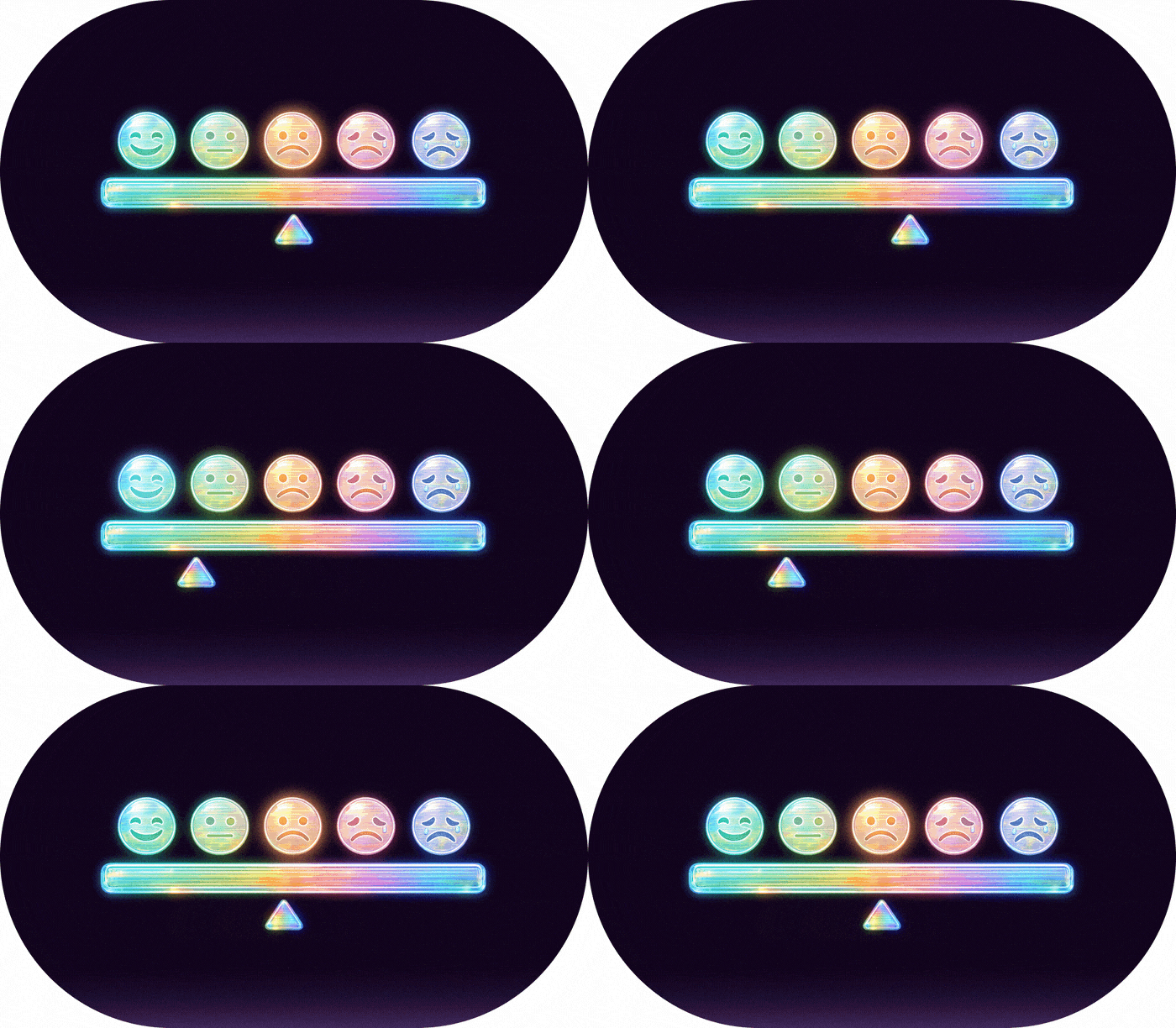
This analysis happens in real time, enabling dynamic and precise ad delivery at scale. As the content is identified and classified, these scores are appended to the content metadata before it is sent to demand-side platforms, where segments can then be targeted. Once these signals are passed into the bid stream, advertisers can choose to target relevant contextual moments that align with their brand.
“Brands have flexibility in how they activate contextual segments for their campaign targeting. They can select on their own from our expansive taxonomy, or more commonly, from our curated packages, where we use a proven combination of segment categories that perform well for specific advertiser verticals: food and beverage, travel, app installs, etc.,” Madrid said. “Regardless of whether advertisers run programmatic or managed service campaigns, they can choose from several options for how to best align their brand with content and the consumer’s mindset.”
Emotion is a powerful signal, and emotional tone changes from scene to scene. Because each scene carries a unique mood and message, real-time analysis ensures ads match the current moment and are aligned with viewers’ emotional state.
Emotions also play a significant role in decision-making and ad success. According to research from Integral Ad Science, ads aligned with the consumer’s emotional state or surrounding content are up to 40% more memorable. Other studies show that more than 90% of purchasing decisions are driven by emotional responses.
In practice, emotions are more complex than just happy or sad — and savvy advertisers use these subtleties to their advantage across the funnel.
Consider this lower-funnel example, in which global agency PMG leveraged Wurl’s scene-level targeting to run emotionally targeted CTV ads on behalf of a quick-service restaurant (QSR) client. Through scene-level targeting, the ads were matched to content that evoked feelings of anticipation and joy to drive measurable sales results, validated by independent measurement partner InMarket.
“By optimizing delivery around those high-performing emotional signals, such as anticipation, the campaign drove a 40% lift in incremental restaurant visits and a 48% lift in incremental sales, making emotion-led placements the top-performing CTV tactic in the flight,” Madrid said. “It’s a clear example of how moment-level alignment increases attention — and attention translates directly into measurable business impact.”
As Madrid explained, driving outcomes and measuring performance in CTV has been a top-of-mind challenge for advertisers. Third-party validation shows that when ads align with what’s on screen, advertisers see benefits such as improved brand recall, engagement and purchase intent.
“Through working with various measurement partners like Kantar, Upwave, EDO and InMarket, what we’re really seeing is that targeting at the scene level improves effectiveness holistically — not just at one stage, but throughout the entire customer journey,” Madrid said. “At the top, we see lifts in brand awareness and favorability. Mid-funnel, stronger motivation and purchase intent. And at the lower funnel, measurable outcomes like incremental store visits and sales.
“When creative aligns with mindset and moment, the ad feels less disruptive and more relevant — and that drives performance across the funnel because those moments directly influence attention and impact.”

Scene-level targeting does not need to be used in a vacuum. It can be easily added to advertisers’ existing strategies, helping them reach their target audience in a CTV context that is relevant to their campaign and creative.
For instance, in the QSR campaign mentioned previously, Wurl ran a controlled CTV test designed to evaluate two targeting approaches: audience and regional targeting alone and audience and regional targeting layered with scene-level targeting. The agency tapped an independent measurement firm to validate results and provide a clear view into the incremental impact of each strategy.
The campaign analysis revealed that adding scene-level targeting nearly doubled the performance of audience and regional targeting alone. By combining geographic, audience and scene-level targeting, the campaign effectively delivered both relevance and reach.
“When done correctly, combining CTV targeting strategies is where precision really starts to take shape,” Madrid said. “Audience and demographic targeting have long been the norm, ensuring the right viewers are being reached. Scene-level contextual targeting ensures they are being reached during the right moments of their viewing session — in this case, following content that is both brand-suitable and safe. When those layers work together, advertisers don’t have to choose between scale and suitability. It’s a ‘yes, and.’”
To fully unlock the potential of CTV advertising, marketers need to adapt their strategies to the streaming landscape. The good news: adding scene-level targeting to existing CTV toolkits doesn’t have to be a heavy lift.
The easiest way to begin is by layering scene-level signals on top of existing audience and demographic targeting — enhancing relevance without sacrificing scale. This allows marketers to maintain reach while improving the context and impact of their messaging.
When evaluating partners, it’s important to prioritize solutions that deliver both precision and scale. Look for providers that offer high-quality, real-time signals and can seamlessly integrate into existing programmatic workflows — enabling activation without added operational complexity. Signal accuracy and ease of activation are critical, as these inputs ultimately determine campaign performance.
As the ecosystem evolves, advertisers will have greater flexibility in how they access and activate contextual data. New approaches are making it easier to pair premium streaming inventory with differentiated contextual solutions, giving marketers more choice without disrupting existing buying workflows. For instance, Wurl’s Content Intelligence Platform reflects this shift, enabling advertisers to access Wurl’s own scene-level targeting, as well as helping partners like KERV, Peer39 and IRIS.TV to scale their own precise and unique CTV targeting solutions. For marketers, that means greater choice, more relevant contextual signals and the flexibility to activate the solutions that best align with their campaign objectives.
This flexibility will become even more important as programmatic buying becomes more automated and AI-driven. In an environment driven by agentic workflows and automated decision-making, campaign performance will depend on the quality of the underlying contextual data.
“We hear about agentic workflows and AI-driven solutions being championed across the industry — how it will improve efficiency, efficacy, creative and ultimately provide cost savings across organizations of all sizes. All of these promises translate into improved performance,” Madrid said. “As more investment flows into these agentic environments, we cannot ignore the fact that it’s the underlying data sources that underpin the success of automation and curation. Scene-level segments and real-time categorization support all of the above.”