Join us Dec. 1-3 in Nashville for the Digiday Programmatic Marketing Summit
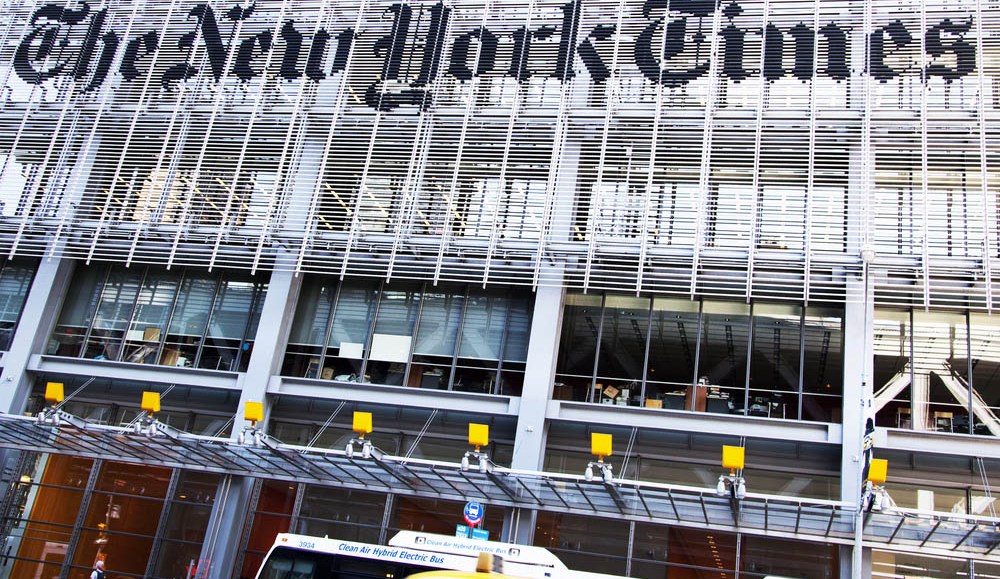
The New York Times is still the gold standard of publishers. So its digital embrace of native advertising is a big step toward legitimizing this modernized version of the advertorial. Importantly, the Times is also looking to impose far more rigid standards than those currently used throughout the publishing world.
In a memo to staff Thursday, Times publisher Arthur Sulzberger noted that the Times would take several measures to assure its native ads are not confused with editorial content when they debut next month. Following the lead of advertorial in the paper, it will set apart such articles online with a different typeface. It will also feature a color bar, the advertiser’s logo and, perhaps most importantly, the label “paid post.” This is one step toward calling these advertisements by name: ads.
That labeling is important. Most publishers, including Digiday, have tended to shy away from such direct labels, opting instead for “sponsored content,” “sponsor content,” “partner content” and other euphemisms. (Digiday uses “sponsored content.”) At a Federal Trade Commission hearing earlier this month on native advertising, labeling occupied much of the discussion. Nobody agreed on an approach. The Interactive Advertising Bureau’s first step toward standards also punted on the issue, concluding that it is dependent on the environment. The only IAB guideline is it should be clear to a “reasonable consumer.”
The Times is predictably taking the high road here. Previously, Forbes had chosen to call their native ad areas “Brand Voice.” (A main architect of the Forbes native ad strategy, Meredith Levien, is now evp of advertising at the Times.) By embracing the more straightforward “paid post” tag, the Times could push the market toward greater transparency in its labeling practice — and in the process allay some of the concerns regulators have over content-style advertising.


More in Media
Creators say it’s difficult to make money from news — with platform rules and brand guidelines
With more people getting news from creators than traditional media, those creators are still trying to build sustainable businesses.

Why CNN International is building for agentic ad market that barely exists yet
CNN International is still chasing its first agent-sold dollar by Q1.

Media Briefing: The transatlantic push to rein in stealth bots is gathering pace
U.S. and U.K. publishers are pushing for laws to crack down on stealth AI crawlers as bot scraping surges and demands for transparency grow.