Join us Dec. 1-3 in Nashville for the Digiday Programmatic Marketing Summit
Facebook is expected to reveal its grand chatbot plans at tomorrow’s F8 developer conference.
The social network is providing developers with the tools so brands can build chatbots that can integrate with Facebook’s Messenger app, according to TechCrunch, which reported that the technology will be the focus of the two day conference.
In addition to chatting with friends on Messenger, the chatbots will spit out images and call to action buttons to let people view their online orders (i.e. a UPS chatbot), book restaurant reservations, plane tickets and car services. People will be able to download the chatbots from a new store.
Facebook is also said to be working on live video and chatting capability to connect brands with people in need of instant help. That could be a blow to Twitter, which has become the go-to app for people to complain to airlines. For its part, Twitter recently added a new button for brands that lets them speak privately with people
Facebook had no comment.
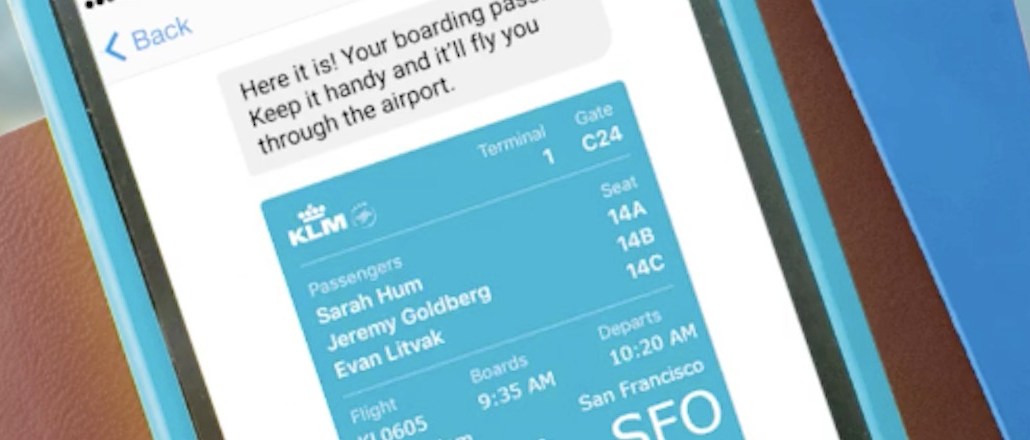
A smattering of brands have tiptoed into offering services on Facebook Messenger. For example, Everlane offers same-day clothing delivery in some cities, Dutch airline KLM sends flyers boarding passes through it and people can order an Uber there. Publishers, like the Washington Post, are also experimenting with their own bots.
Facebook could be the big boost that brings chatbots to the mainstream. While the technology has been in use since the 1960s, Facebook’s scale could be a big mainstream moment for it since more than 800 million people use Facebook Messenger.


More in Media

The Verge switches up its audience team to prepare for Google Zero
The Verge has restructured its audience development team to prioritize loyal readers over traffic and page views.
Reach CEO touts Google AI deal as a template, steps up pressure on OpenAI over scraping
Digiday spoke with Reach CEO Piers North about his plans to make its Google AI content deal a blueprint framework for other LLM deals, and its recent cease-and-desist letter to OpenAI.

Social commerce edges past SEO at The Independent for the first time
The Independent’s social-commerce revenue edged past its SEO-based commerce revenue for the first time in September, CEO Christian Broughton said at Digiday’s Media Strategies event in London this week.