Join us Dec. 1-3 in Nashville for the Digiday Programmatic Marketing Summit
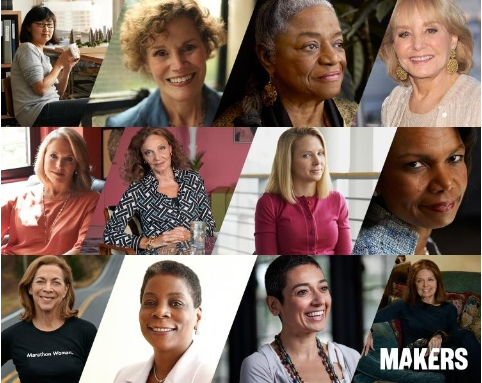
In 1967, Kathrine Switzer did something quite remarkable. She became the first woman to run the Boston Marathon, even dodging the attempt of a race organizer to stop her. Switzer’s tale is one of several AOL is telling in a new video series that will highlight the achievements of women — and AOL’s emphasis on creating original digital content
The series, “Makers: Women Who Make America” features more than 100 interviews with the influential, inspirational and powerful women who have shaped our nation over the past half century. It is designed to be a model of documentary storytelling: thousands of interview clips, edited and unedited, will live a site to be mashed up into a three-hour film. PBS, for its part, will provide both broadcast and digital platforms to distribute the content, including its classroom digital network.
AOL developed Makers.com to house the videos and will distribute the videos across all AOL properties from The Huffington Post to Patch. Tim Armstrong, AOL’s CEO, said at a launch event that the effort is another example of AOL’s commitment to content, which it hopes will differentiate itself in the digital media world.
AOL is undoubtedly eyeing the growing video ad market. “Makers” has a sponsor, skin care brand Simple. The effort follows AOL’s announcement of an ambitious live streaming video network for The Huffington Post, which will launch in the summer.


More in Media
The Hill adds interactive election tools to subscription offering ahead of the midterms
The Hill is betting on interactive subscriber-only features to help grow its new subscription business ahead of the 2026 midterms.

The Daily Mail tests GEO with brands ahead of AI visibility product
The Daily Mail is running around a dozen GEO tests to work out what works before turning its AI visibility offering into an official product early next year.

Meta delays rollout of updated commercial terms amid publishers’ collective pushback
Meta’s updated commercial terms have galvanized publishers into a coordinated pushback over the company’s use of their content.