Join us Dec. 1-3 in Nashville for the Digiday Programmatic Marketing Summit
OpenAI’s ChatGPT reaches the coupon stage of building an ad business
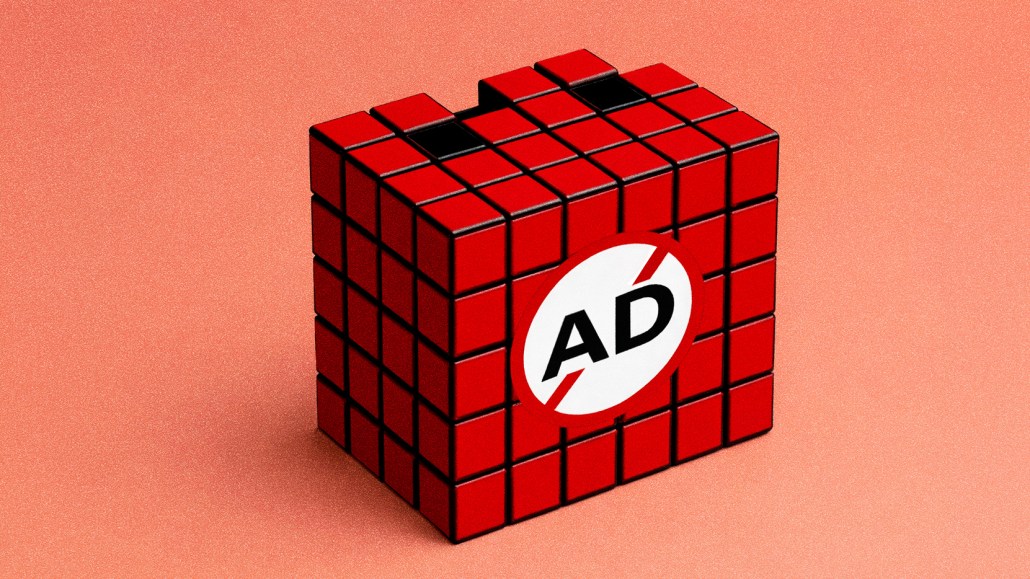
OpenAI just hit the coupon phase of building an ads business. It’s the stage every platform before it has run through, whereby they hand advertisers credits to get them spending more, testing budgets, and building habits on the platform.
One example of the promotion reviewed by Digiday offers new advertisers a $50 credit after they themselves spend $50 within 14 days of opening an OpenAI advertiser account — a standard ‘like–for-like’ structure designed to encourage advertisers to make their first investment in the platform while reducing the upfront risk of testing it. Another showed $100 credit.
So far, the credit values are still moving around, seemingly while OpenAI works out the right numbers for a bigger push.
“Given the early stage, I think it’s the right time for OpenAI to offer promo credits, so long as they’re for a sensible amount,” said Farhad Divecha, group CEO of Accuracast. “A $100 credit, for example, won’t get far, but $500 to $1,000 for the right advertisers could prompt them to try the platform, and realise the benefits.”
It’s not like it hasn’t worked before. TikTok did the same thing last fall, dangling credits to juice spending on TikTok Shop in the U.S. Promo credits are old news in digital advertising, in other words, used by everyone from Google to Meta to get new advertisers in the door and push existing ones to test new formats. And they will continue to do so since credits are like catnip for advertisers. They take the financial risk out of trying something new.
From building the platform to scaling the business
For OpenAI, the move is another sign that the platform is moving beyond simply expanding ad availability and building out its product, into actively recruiting advertisers to use them.
It also reflects a broader shift in how OpenAI is approaching advertising. Just this week, Digiday reported that the company is already putting additional building blocks in place, from hiring out specialist advertising roles to establishing the infrastructure needed to support a scaled marketplace. Promo credits won’t move the needle as much as those efforts, but they could help — somewhat, at least. Because getting advertisers to test a platform is one thing, getting them to adopt it is another.
For example, advertisers that Digiday has checked in with throughout the pilot, who remained hesitant, have indicated they’re waiting for more robust measurement solutions and partners before diving into ChatGPT ads.
“I think OpenAI also needs to promote availability a lot more,” said Divecha. “With many advertisers we speak to, most are keen to try ChatGPT ads, but quite a few still think the minimums are too high or the ad platform is still not open to all advertisers even in the U.K. and the U.S.”
What’s clear, for now, is that OpenAI is trying to manage the expansion of its ads business carefully without bombarding users with ads. Get the balance wrong and it risks undermining the attention its ad ambitions ultimately depend on.
More advertisers testing ads on the back of promo credits will only make that balancing act harder. And yet it’s one the company has to pull off. OpenAI has set itself an internal target of $2.5 billion in ad revenue for 2026, which it expects will increase 40 times to $100 billion by 2030, according to earlier reports from Axios. Though eMarketer, which has based its estimates on the U.S. — OpenAI’s biggest market — has forecast that the company will “fall roughly 90% short of that target”.
OpenAI did not respond to Digiday’s request for comment.


More in Marketing

Target bets on buzzy TikTok brands like Mellow Sleep to revamp its home category
This fall, there’s been a steady drumbeat of new brands launching in the big-box retailer’s home category.
Ruggable’s new ad spend strategy shifts focus to ShopMy creators
Ruggable is shaking up its marketing stack, pulling dollars our of Meta and into ShopMy creators ahead of a potential IPO.

Future of Marketing Briefing: The holdcos long, awkward courtship of the C-suite
What holdcos risk when they go over the CMO’s head.