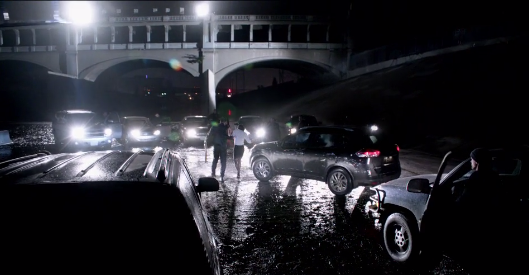
Nissan altered an ad campaign featuring car sharing service Uber after events in real life came uncomfortably close to the action portrayed in the ad.
“The Briefcase,” which promotes the 2014 Nissan Rogue, has an action-packed car chase video like something out of a Bourne movie. A geeky looking dude gets into a car from his car service of choice, Uber, and is then taken through a series of amazing car stunts, all to protect a briefcase. Several high-impact car collisions are shown leading up to an open-ended finale where viewers are left wondering what will happen to the unsuspecting Uber rider.
All of this is cool and fun, except when it hits too close to home: on New Year’s Eve a San Francisco Uber driver was arrested for a fatal collision with pedestrians, which took the life of a 6-year-old. The accident has ignited calls for regulation of Uber drivers, which aren’t subject to the same regulations as other taxi services.
“In deference to the recent fatal accident involving a former Uber driver, Nissan is working to suspend its video, ‘The Briefcase,’ which included a reference to the company. The piece will be edited out of respect for the family and re-issued.”
“The Briefcase” commercial has also been aired on TV for the last several weeks, though after the recent accident, it’s elicited negative Twitter responses from those who’ve seen it:
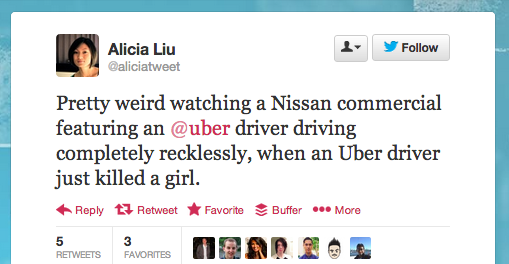
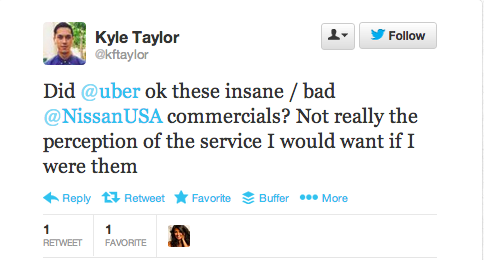
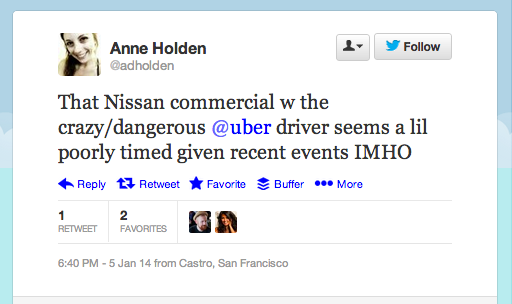
The video was shifted to “private” on Nissan’s YouTube channel Monday afternoon, though the video is still live on iSpot.tv.


More in Marketing

Marketing’s upper middle embraces AI creative production
Scaled AI creative production is becoming ordinary among CMOS outside the billion dollar club.

‘It scared the hell out of me’: What brands have learned from creator partnerships
At Shoptalk Fall, brands like Favorite Daughter, SharkNinja and Bob’s Discount Furniture talked about what they’ve learned from working with creators.
Future of Marketing Briefing: Agency fees in creator deals are the next transparency headache for marketers
As creator marketing budgets grow, so do questions about what agencies are taking.