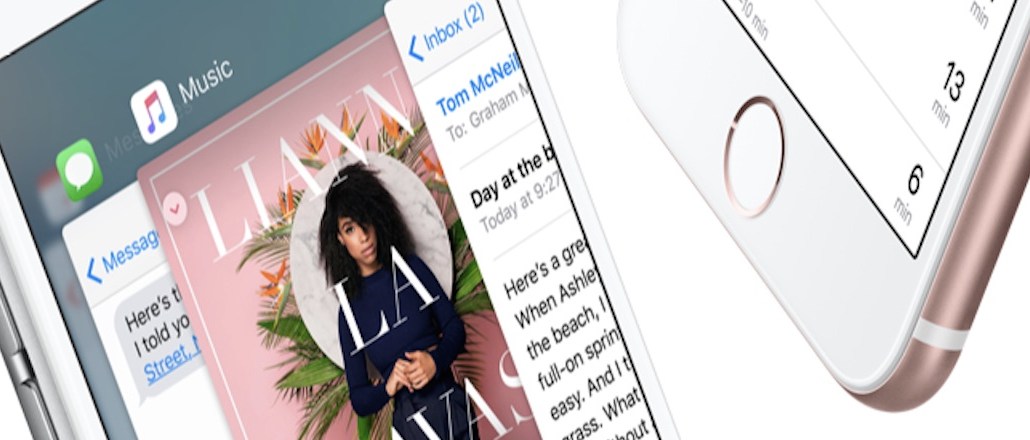
If Apple can’t force people to upgrade their old iPhones, then it’s just going to keep nagging them.
Some users with old iPhones models have spotted an unavoidable pop-up in the App Store with an ad for the new iPhone 6S, exclaiming how “ridiculously powerful” it is with an upgrade link. The “skip” option, to bypass this intrusive ad, sits in the top right of the ad.
Whoa. Just got an ad for the 6S inside the App Store app. (can I get Peace for that, @marcoarment?) pic.twitter.com/ihkXi1JtRE
— Adrian (@adrian_haus) December 11, 2015
People who’ve experienced the not-so-subtle nudge are complaining about it on Twitter, calling it “ridiculously distasteful” and “revolting.” Reddit users speculated that the timing of this after iOS 9 rolled out, the first operating system from Apple that allows ad-blockers, is suspicious.
“You didn’t really think Apple implemented adblocking for the benefit of its customers? It was just to push Google et. al. out of their territory to claim all that ad revenue themselves,” a redditor speculated.
While the tactic is aggressive, Apple has a lot to lose if people don’t upgrade.
Apple has an “overwhelming dependence” on iPhone sales, with growth slowing each quarter worrying investors and its stock. And, having people keep using older iPhones and operating systems slows technological advancement. That’s why carriers are moving toward an upgrade model, encouraging people to cheaply upgrade more frequently.
Apple didn’t immediately respond for comment.


More in Marketing

DMexco ’26 Briefing: From scaling AI operations to teaching the next generation of ‘bold’ CMOs
DMexco 2026 media partner Digiday hosted two panels that outlined the challenge of AI at scale and the CMO of the future.
Marketers bemoan the culture of ‘good enough’ as standards fall amid the AI bubble
‘Drowning in measurement,’ marketers mull priorities in an internet where ‘two audiences’ exist.

Future of Marketing Briefing: Imagining the ad business hiding inside Meta’s Muse
Meta’s Muse is ad-free for now. Don’t expect that to last.