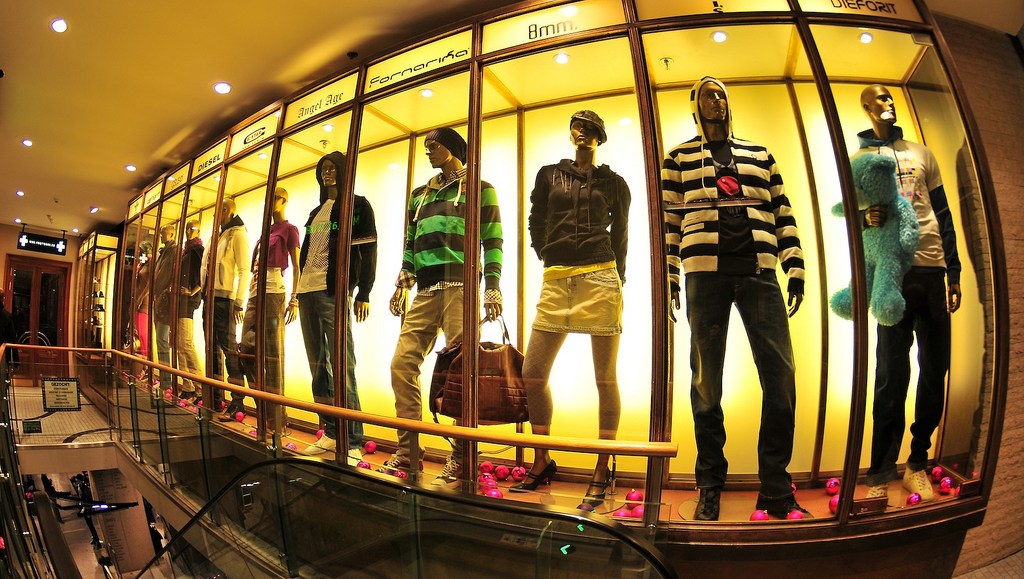
It’s not even Thanksgiving yet, but that’s no matter. The holiday shopping season starts earlier and earlier every year: Walmart is starting Black Friday on Thursday this fall – smack dab in the middle of turkey dinner.
In preparation for all of the holiday shopping buzz, we’ve collected 15 interesting facts and statistics about how social plays a role in people’s shopping habits. Whether it’s finding a cool, new product you never knew you needed on Pinterest or asking Facebook friends for purchasing tips, social networks, both established and up and coming, are helping drive both online and in-store purchases.
One social network in particular worth keeping an eye on is Polyvore. The fashion-focused social commerce site is gaining on giants like Facebook when it comes to driving traffic and sales to e-commerce sites. Keep reading for our 15 stats and facts to understand why:
There has been an astounding 357 percent increase in sales from social traffic compared to last year. (ShopSocially)
Ninety-one percent of e-commerce retailers saw a lift in their SEO rank thanks to social referrals. (ShopSocially)
Over the period of Jan.- June 2013, social traffic to e-commerce sites has created a revenue increase of 17.8 percent. (ShopSocially)
Thirty percent of Twitter users begin thinking and tweeting about holiday shopping before October. (Twitter)
Sixty-five percent of consumers use social media to find the perfect gift for people. (Crowdtap)
Four in 10 social media users have purchased an item in-store or online after sharing or favoriting it on Facebook, Twitter or Pinterest. (Vision Critical)
Social media drives about equal proportions of online and in-store purchases. (Vision Critical)
Half of social media-driven purchasing happens within one week of sharing, tweeting, liking or favoriting the product. (Vision Critical)
Seventy-four percent of consumers rely on their social networks to make purchase decisions. (Fedelta)
When it comes to sharing news about their online purchases, 55 percent of consumers choose Facebook, 22 percent share on Twitter, 14 percent on Pinterest and 5 percent share on Instagram. (Fedelta)
Facebook is the leader when it comes to driving social traffic to retail sites (it is responsible for about 60 percent) with Polyvore (20 percent) and Pinterest (15 percent) following behind. (RichRelevance)
Polyvore drives a higher average order value than Facebook, Pinterest and Twitter combined. Polyvore’s average order value is $383, versus Pinterest’s $199.16, Facebook’s $92.27 and Twitters’s $58.02. (RichRelevance)
While Twitter and Facebook tend to drive purchases of products people were already researching or considering, Pinterest is more likely to drive spontaneous purchases. (Vision Critical)
When it comes to social-to-store purchase, discount retailers are the most popular location for purchasing. Twenty-six percent of in-store purchases from Pinterest were at discount retailers versus 12 percent at department stores. Forty-three percent of in-store purchase from Facebook were at discount retailers compared to 14 percent at department stores. (Vision Critical)
Twitter and Facebook tend to drive technology-related purchases (34 percent of Twitter-driven purchases and 25 percent of Facebook-driven purchases were tech or electronics products), whereas Pinterest tends to drive food and drink purchases (24 percent). (Vision Critical)
Image via Flickr


More in Marketing

Walmart Connect pitches brands directly as it pushes lift studies ahead of holiday ad deals
Walmart Connect is using lift studies to prove ad performance directly to brands ahead of the holidays, signaling a tighter race with Amazon.

Target’s holiday push stresses affordability, exclusives and an AI assistant
Target is also rolling out an AI-powered assistant called Ask Target on Target.com and the Target app.

Indie agencies want The Trade Desk and Amazon DSP to acknowledge their buying power with negotiating leverage
Indie agencies say DSP giants block direct seats and fee relief despite spend commitments.