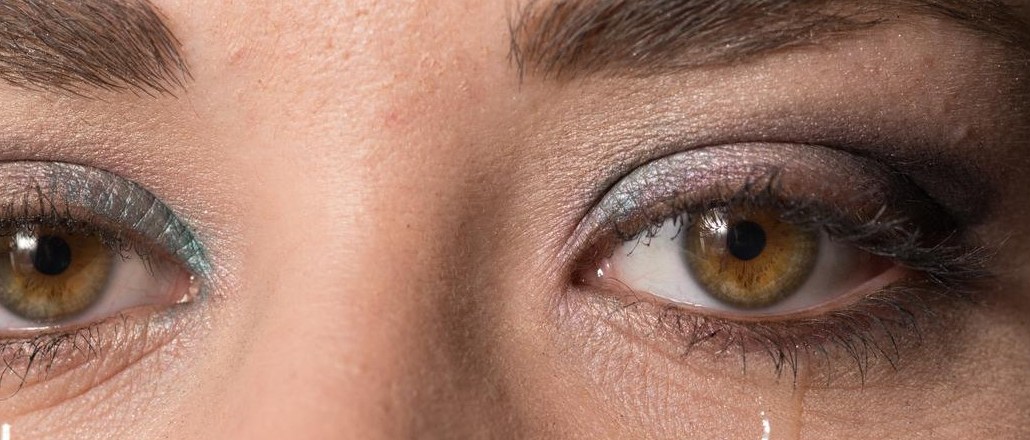
Like many publishers, the BBC wants to prove native advertising works. But instead of just relying on awareness and brand lift surveys, the BBC is turning to facial-recognition technology.
In the fall, the BBC used software from CrowdEmotion to measure 5,000 people’s conscious and subconscious emotional responses to content marketing campaigns on BBC.com from clients like HSBC, Dassault and Hainan Island Tourism. Now, the BBC is rolling out the capability broadly to clients of its StoryWorks content studio.
The facial-recognition software uses webcam tests with each participant activating the tech via their desktop. For the unconscious measurement, facial movements were recorded on a second-by-second basis and then divided into six possible emotions: sadness, puzzlement, happiness, fear, rejection and surprise.
“CMOs often talk about difficulties around internal buy-in and appreciation of [content marketing],” said Richard Pattinson, head of BBC StoryWorks. “Audience appreciation indexes have been bread and butter for broadcasters for decades for testing response to their shows, but it’s a newer area for brands. It can give us more metrics beyond the usual dwell time and pageviews.”
BBC Advertising may have been later than other publishers to launch a content-marketing shop, having hung up a shingle only last June. But it hasn’t wasted time catching up. Currently, revenue that come through StoryWorks is at 30 percent of overall ad sales, and Pattinson expects that to rise to 50 percent in the next few years.
“Early attempts to use digital actions such as clicks, likes and comments as a proxy for true mental ‘engagement’ have a lot of drawbacks, and there’s little evidence that they will correlate with business results,” said Jerry Daykin, global digital partner at Carat. “Facial recognition may prove to be a more encapsulating measure of how consumers are relating to content because they help capture more of the passive reaction that we know most consumers have.”
During the test, the BBC examined a sponsor-content campaign with HSBC. The facial-image recognition tech showed that the emotional involvement with the campaign was heightened when the brand labeling was made clear.


More in Media

A timeline of the major deals between publishers and AI tech companies in 2025
Here’s a list of all the major deals signed between publishers and AI tech companies in 2025.

No playbook, just pressure: Publishers eye the rise of agentic browsers
For the bulk of publishers, Google is, as ever, the one to watch. It’s already got agentic features within its Chrome browser, but that’s the tip of the iceberg, some say.
The biggest SEO lessons in 2025 for publishers
KPIs are changing, more AI search data is becoming available, and publishers are looking beyond search to grow their audiences and revenue.