Brave, an ad-banishing browser, aims to block the Internet’s ‘greed and ugliness’
A Web browser that zaps ads only to replace them with more ads sounds counterproductive, but not to Mozilla co-founder and JavaScript creator Brendan Eich.
He’s built Brave, a new browser released in beta that “blocks all the greed and ugliness” on the Internet by automatically blocking slow-loading and privacy-invading ads by default and replaces them with approved ads.
The “Web today faces a primal threat” in the form of ad-blocking, Eich writes. While ad-blockers makes the Internet experience better, he says it feels like “free-riding, or even starting a war,” referring to Marco Arment’s ad-blocker app that was pulled from the Apple Store just a few days after its release.
Enter Brave. It’s a browser that blocks privacy-invading ads, malware and trackers and uses the company’s own safe ads. The plan is to convince brands and publishers to uses Brave’s ad-tech platform then splits revenue between itself and advertisers.
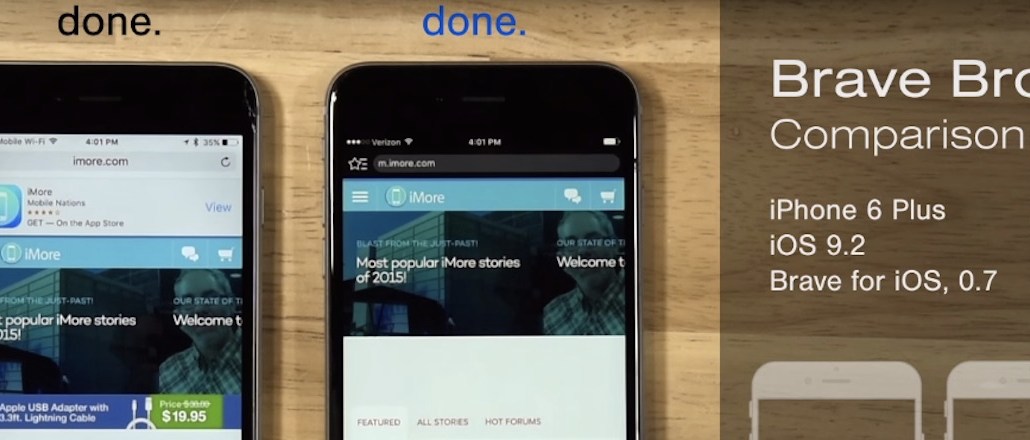
Brave released a video showing the browser in action, as seen below. On the left, is Apple’s Safari, where ads clog the usability of the Internet, and on the right is Brave, where pages load four times faster.
So far, Brave hasn’t signed up any advertisers but Eich said is working with “one of the big ad agencies” to pilot the browser.


More in Marketing

Brian Monahan exits Albertsons Media Collective amid leadership shake-up
Former Dentsu executive Brian Monahan exits Albertsons Media Collective as retail media shifts under CMO Emily Turner.
TikTok’s ad network bet: More reach, more budget
TikTok wants to become a bigger part of advertisers’ media budgets by selling inventory beyond its own app.

OpenAI moves to make ChatGPT Ads more measurable — and more visual
OpenAI is adding a new format, measurement tools and brand suitability testing as it looks to attract bigger budgets.